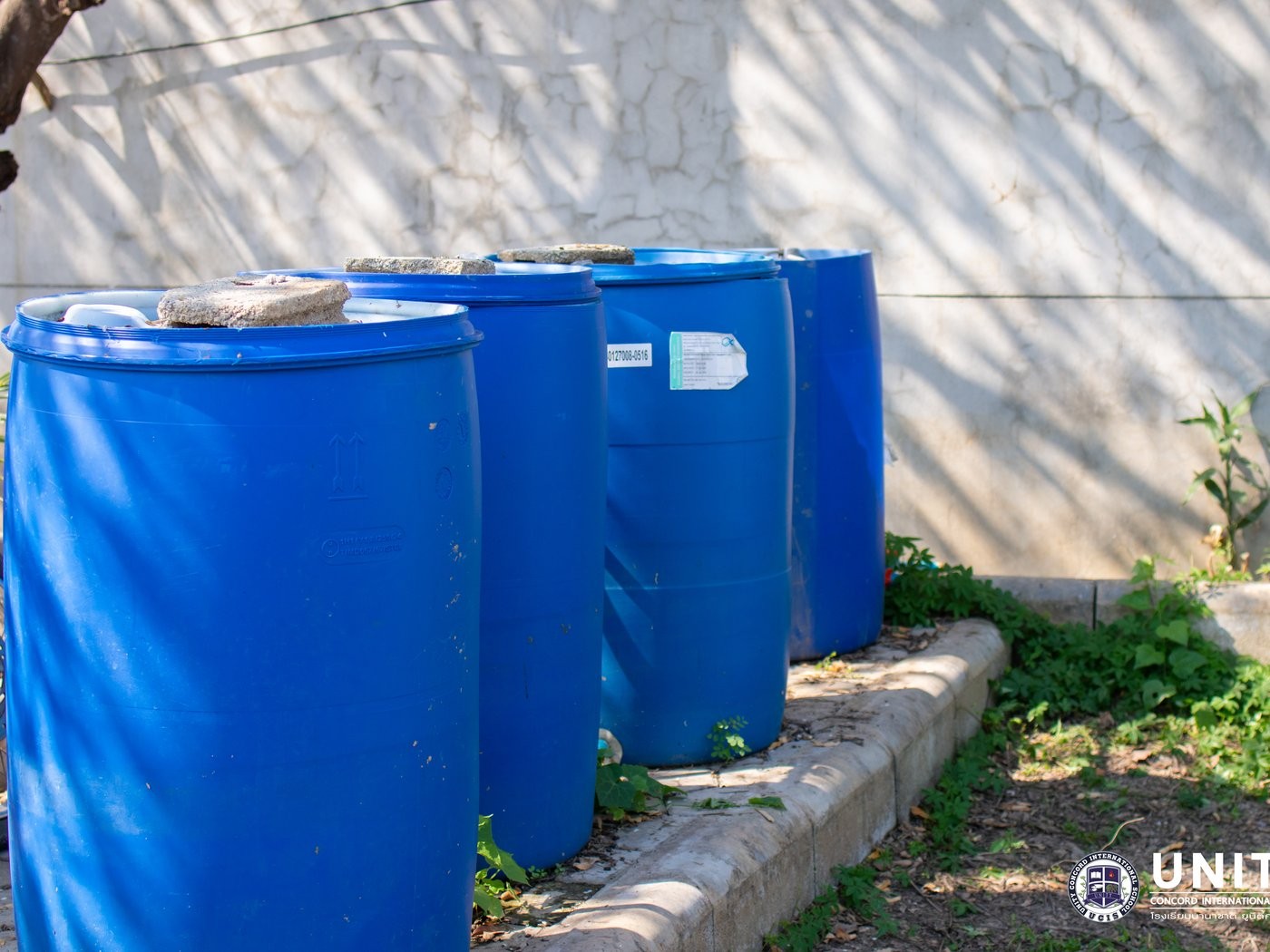
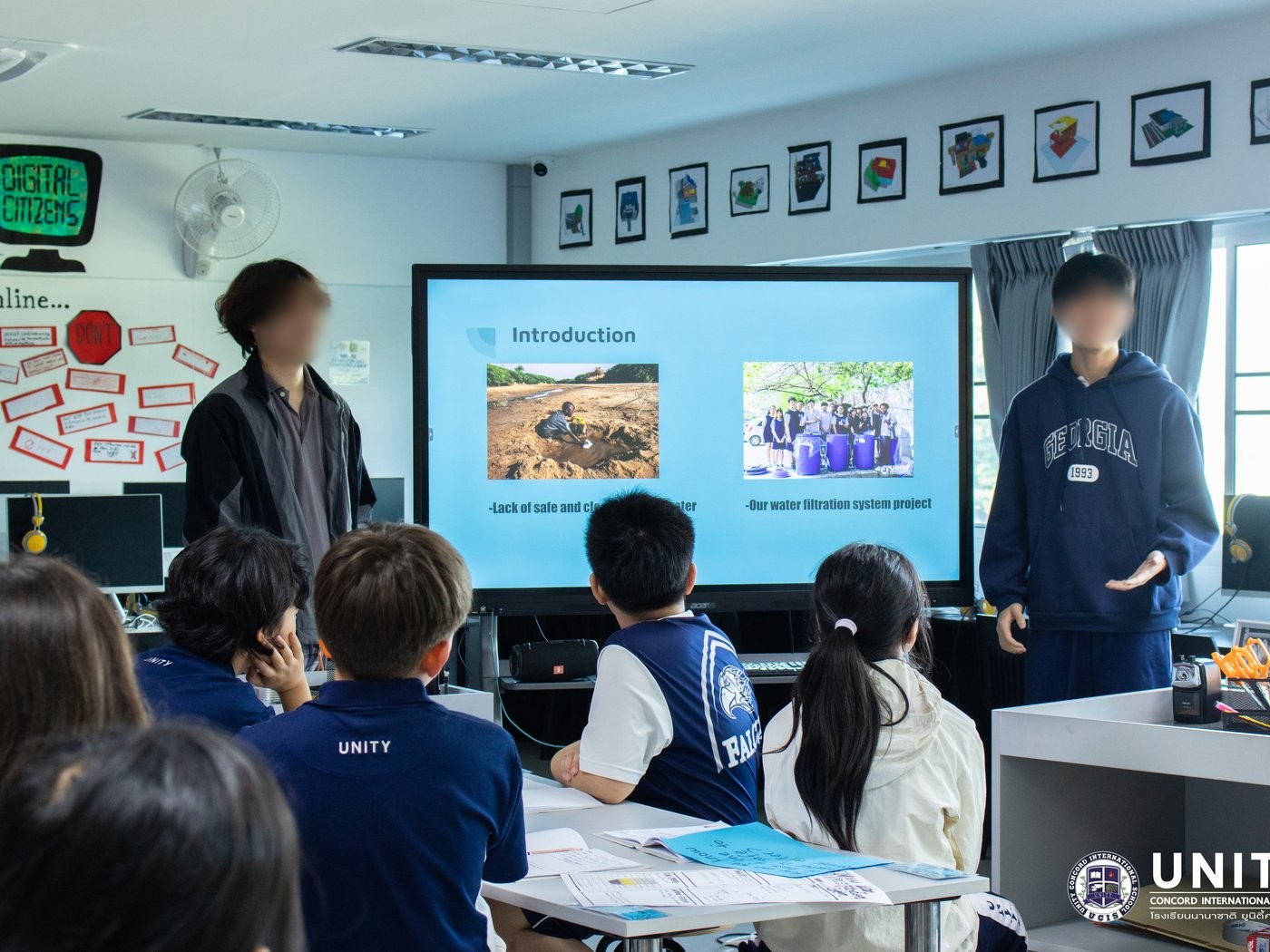
Water Filtration & Global Goal 6
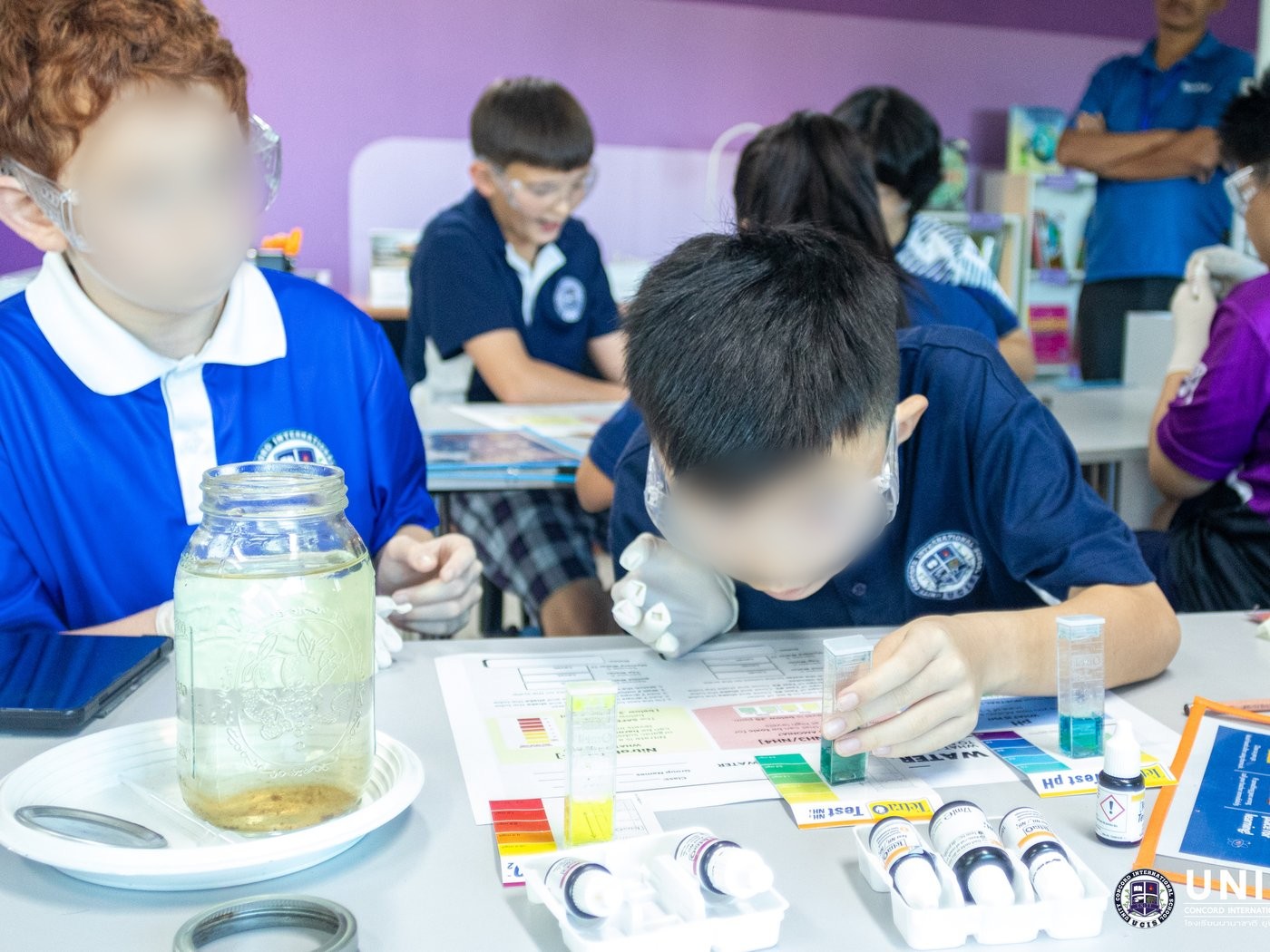
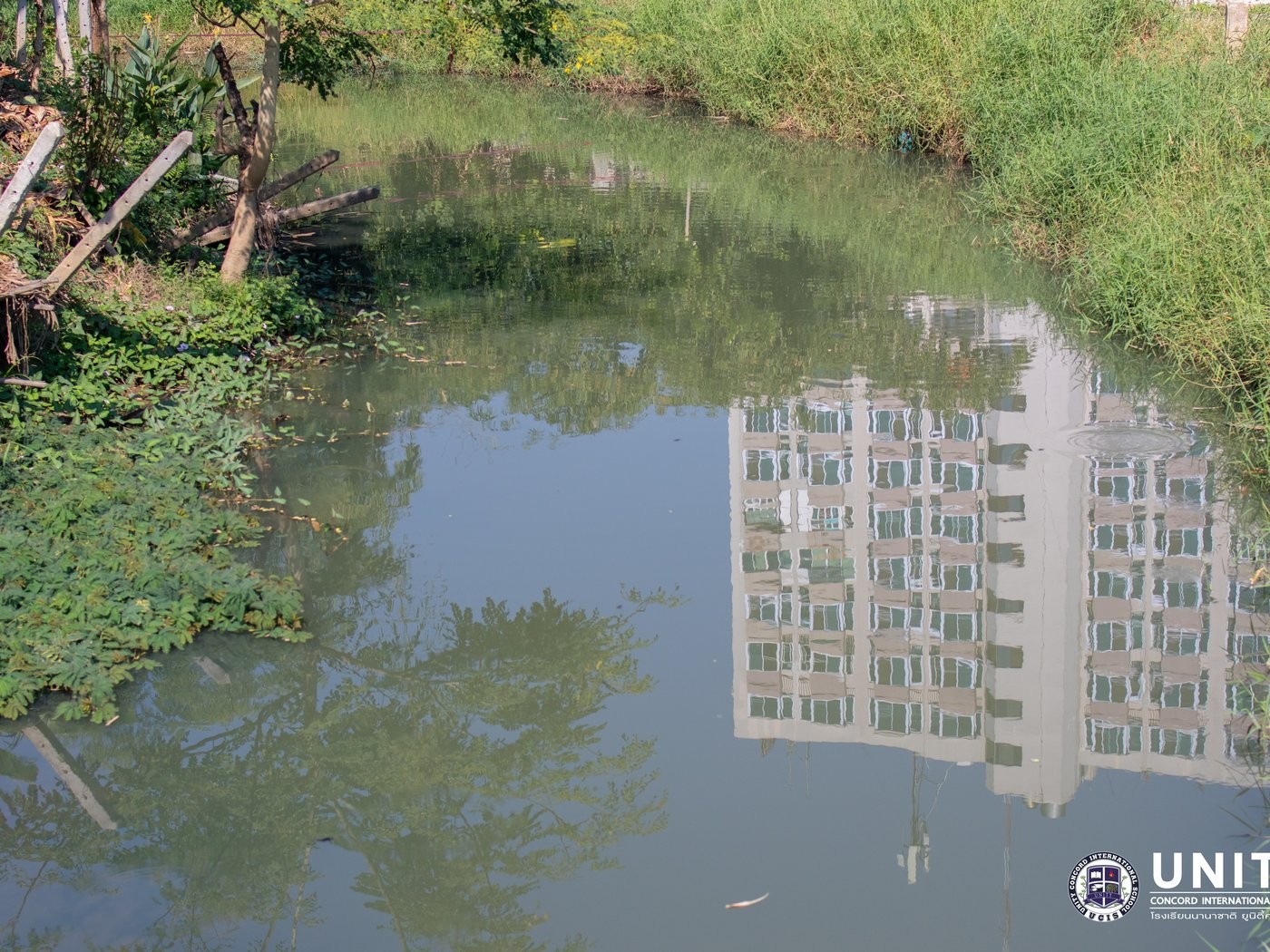
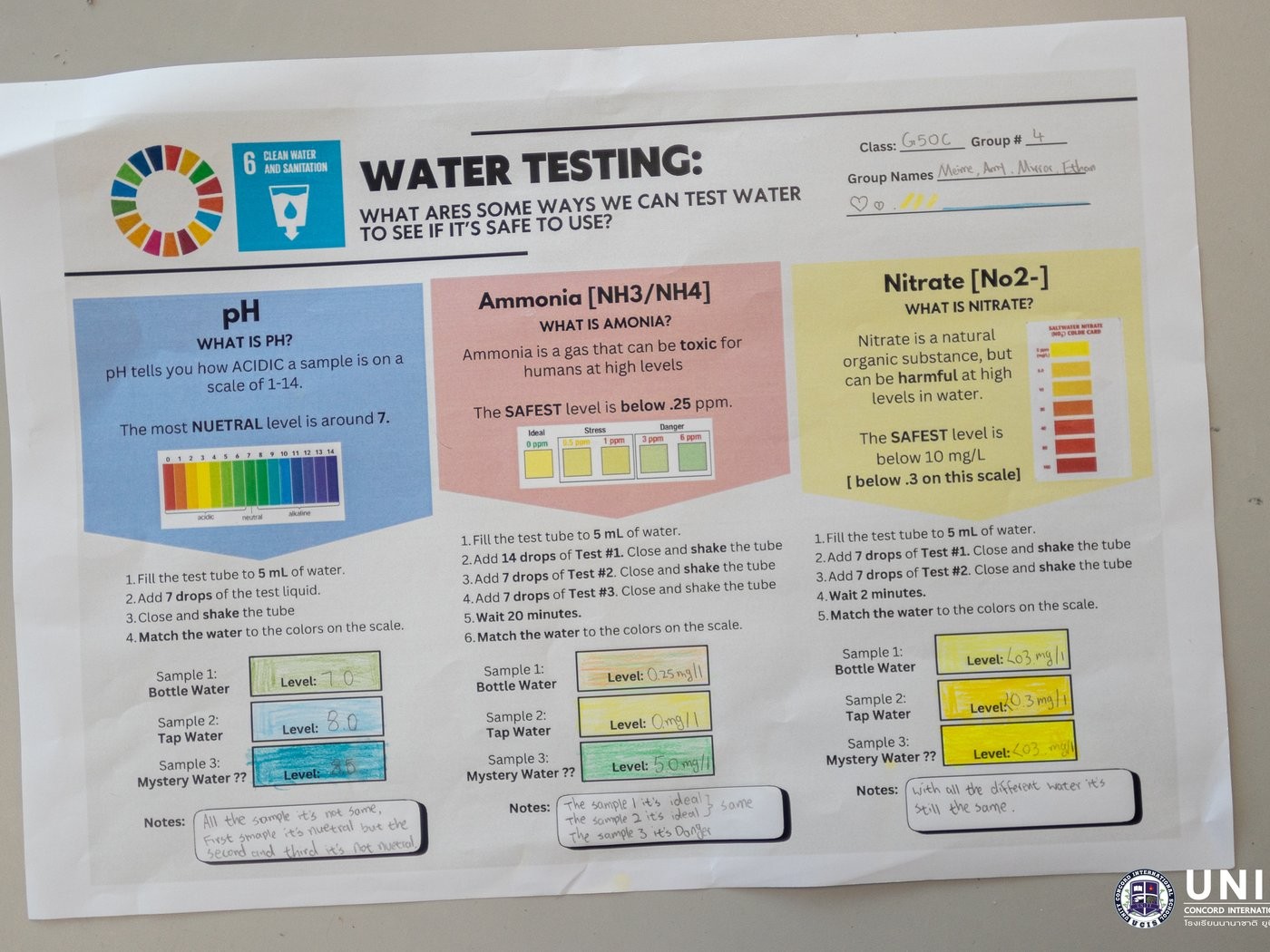
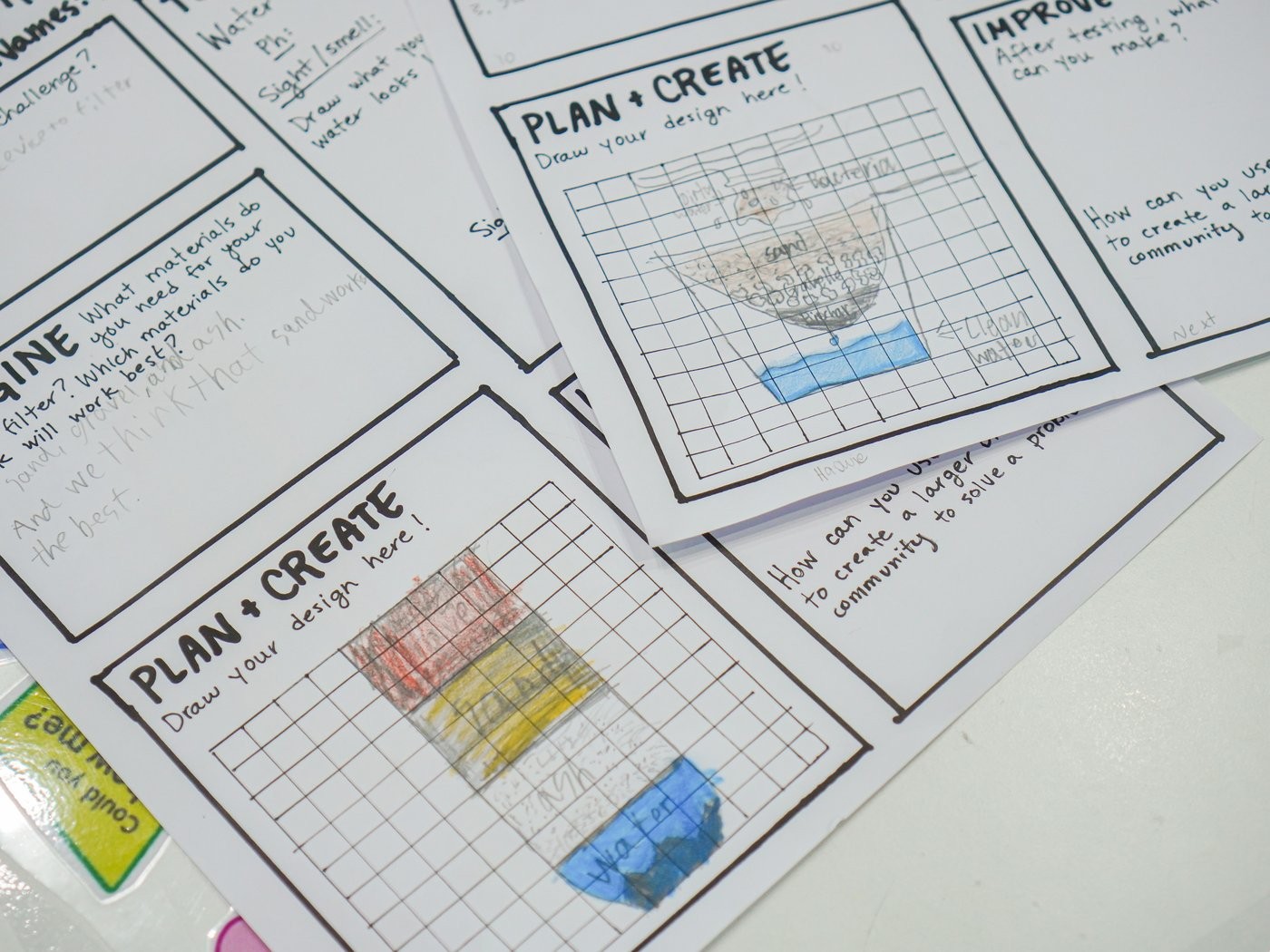
Students unpacked UN Global Goal #6 (Clean Water & Sanitation), then ran real water-quality tests — pH, ammonia, nitrate — on samples before hearing from AP Environmental Science students about ECHO Asia's filtration work. They designed and built their own biochar-sand-gravel filter models, tested them on dirty water, and rewrote their designs based on results. Reading and writing were built in throughout: journal entries connected the science to sanitation as a global-citizenship issue, not just an engineering one.
Lesson plans & rubric — coming soon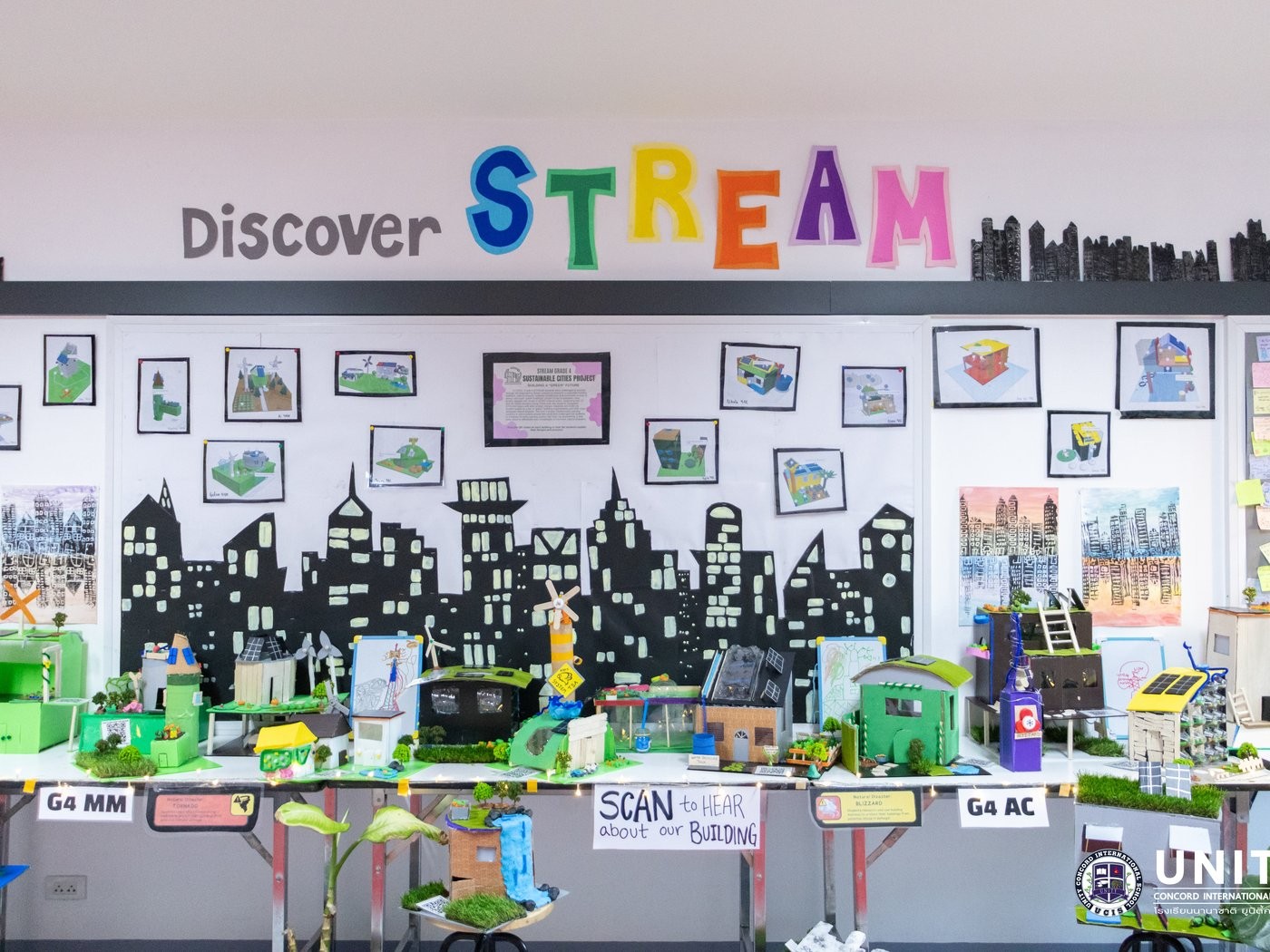
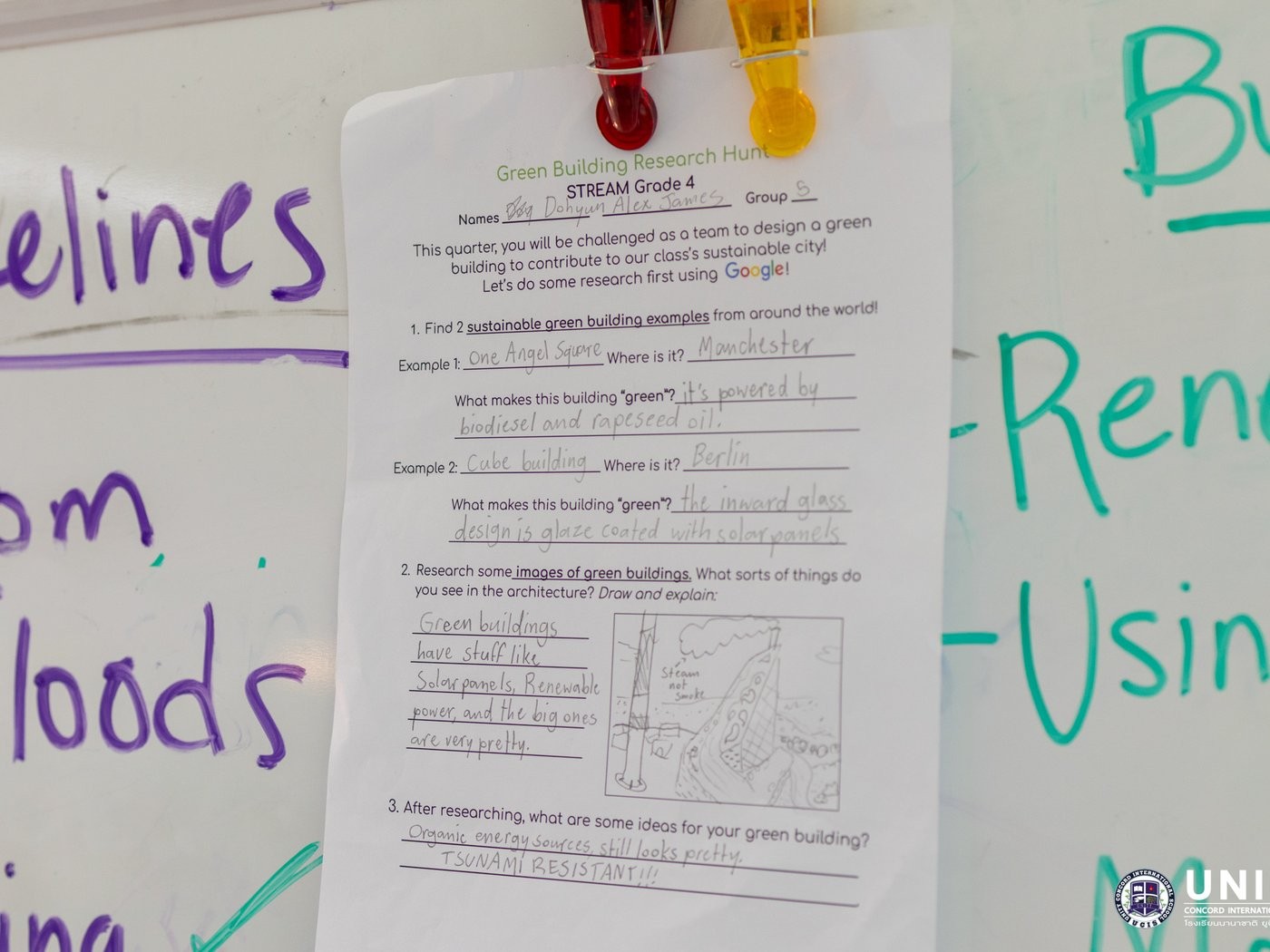
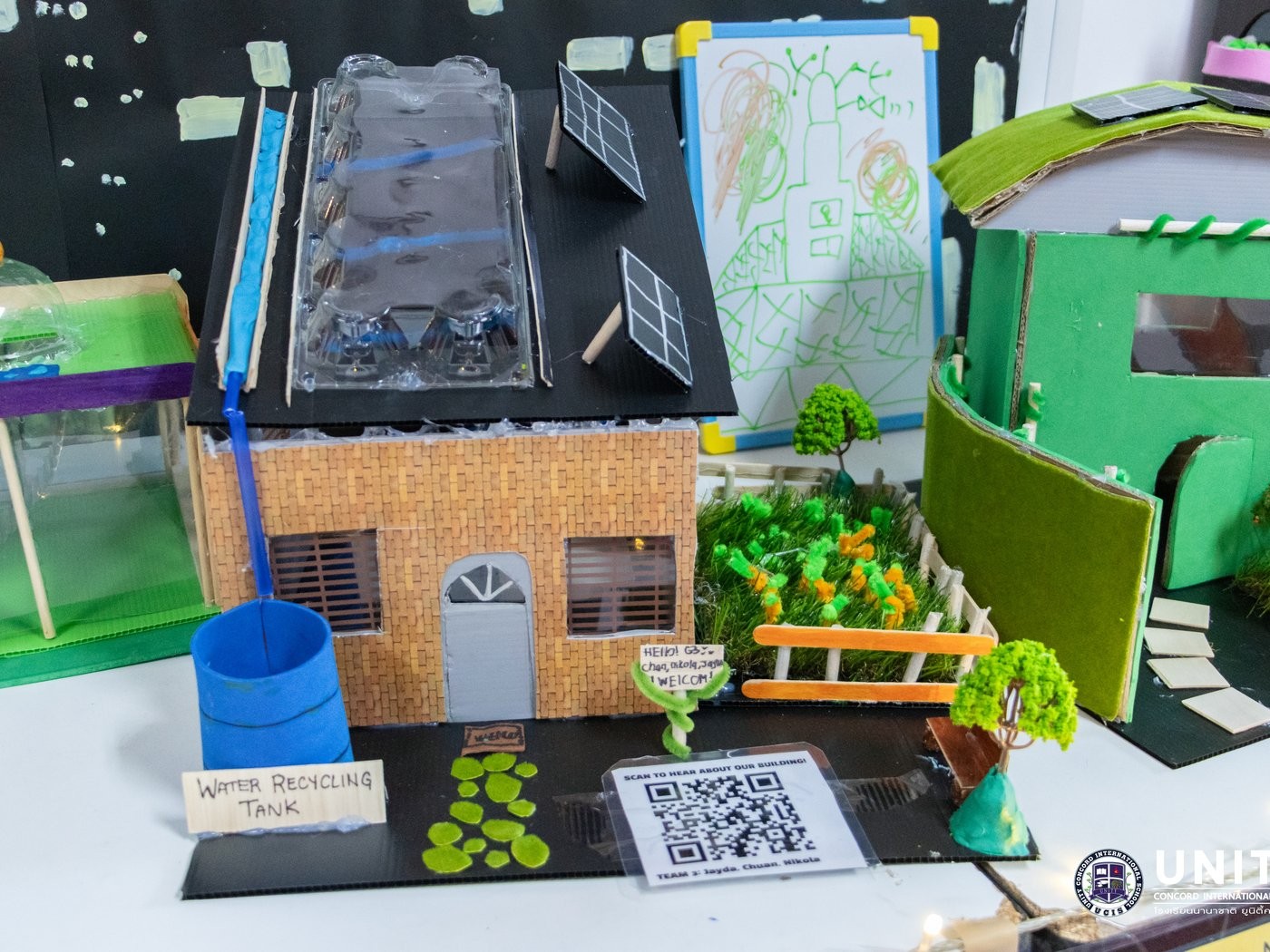
Sustainable Cities: Thinking & Building Green
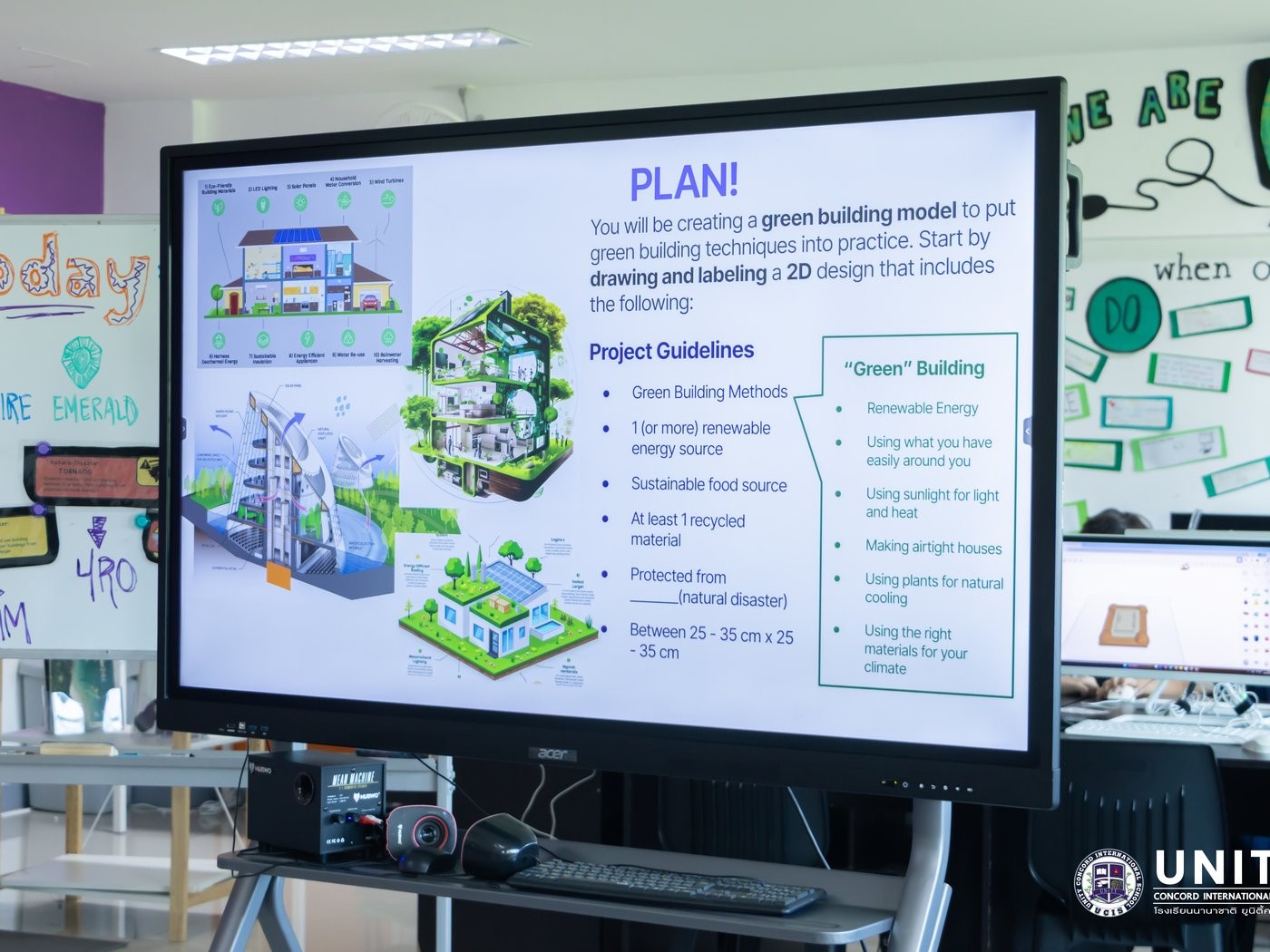
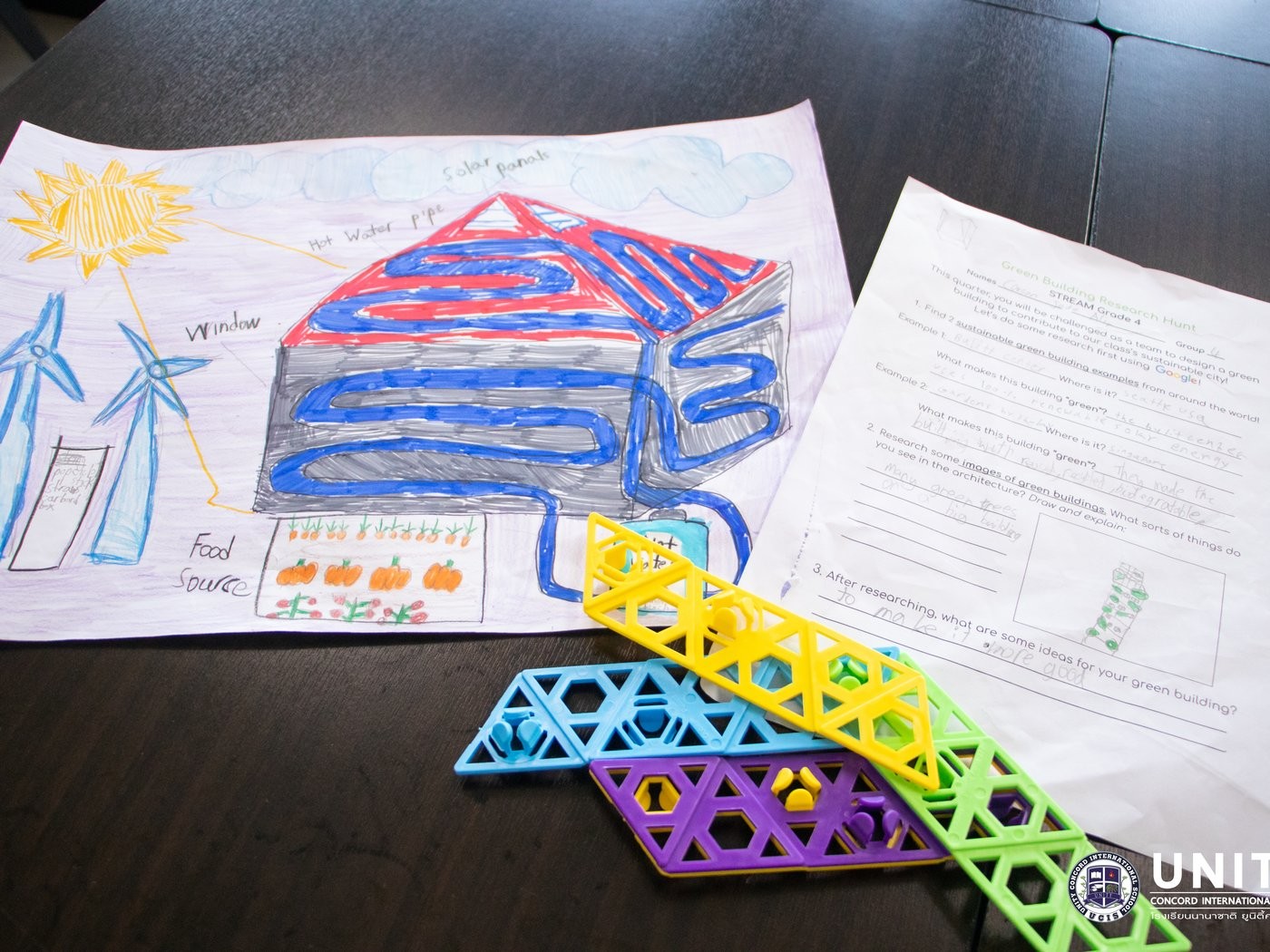
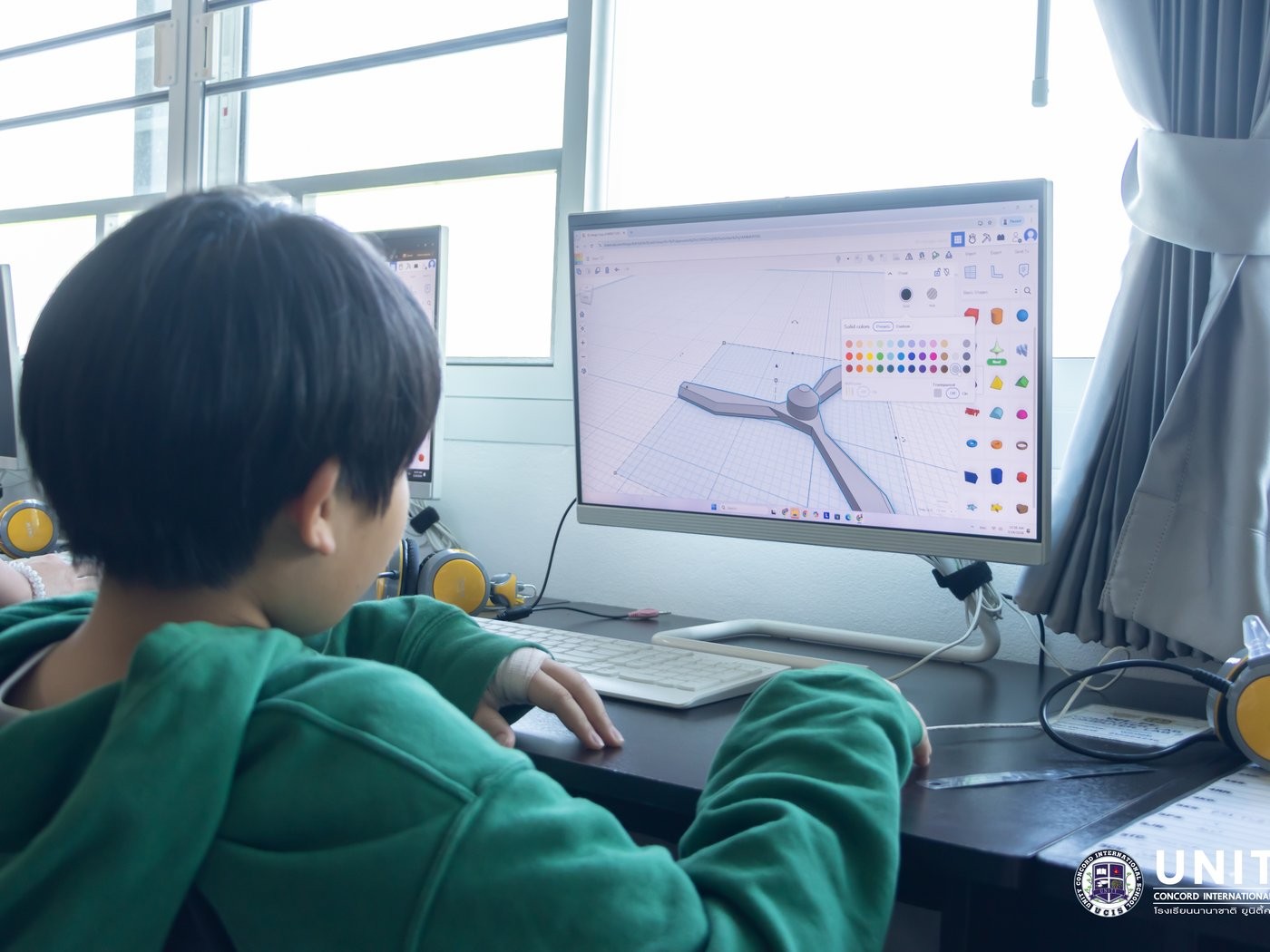
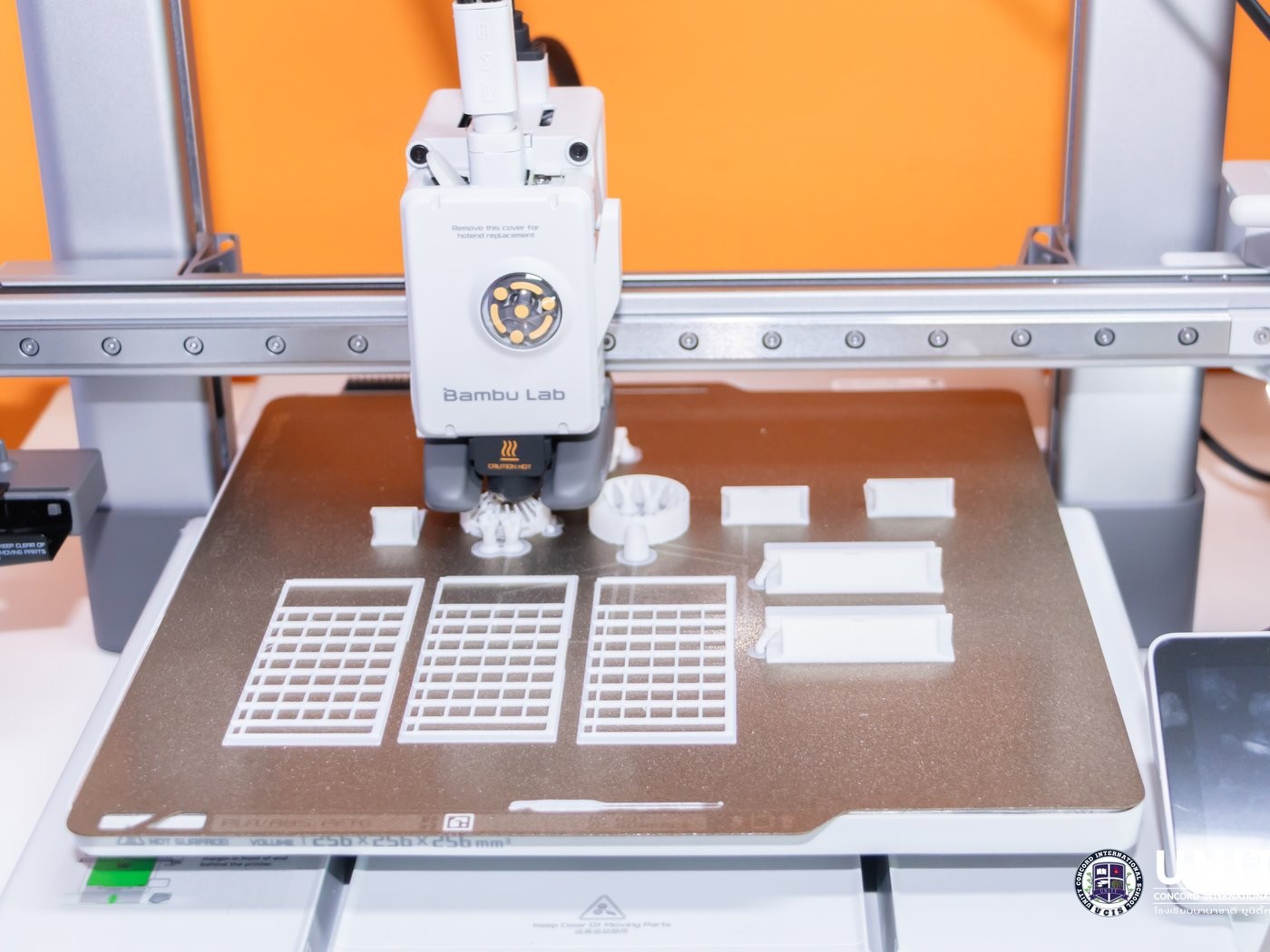
Tied to Global Goal #11 (Sustainable Cities & Communities), students researched green buildings from around the world, then moved from 2D sketches into 3D Tinkercad models before building physical prototypes engineered to resist earthquakes and weathering while incorporating renewable-energy features. A follow-on design challenge — a solar-powered community warning system — pulled in geography, cost comparisons of green vs. traditional materials, and measurement-heavy math for scale and structure.
Lesson plans & rubric — coming soon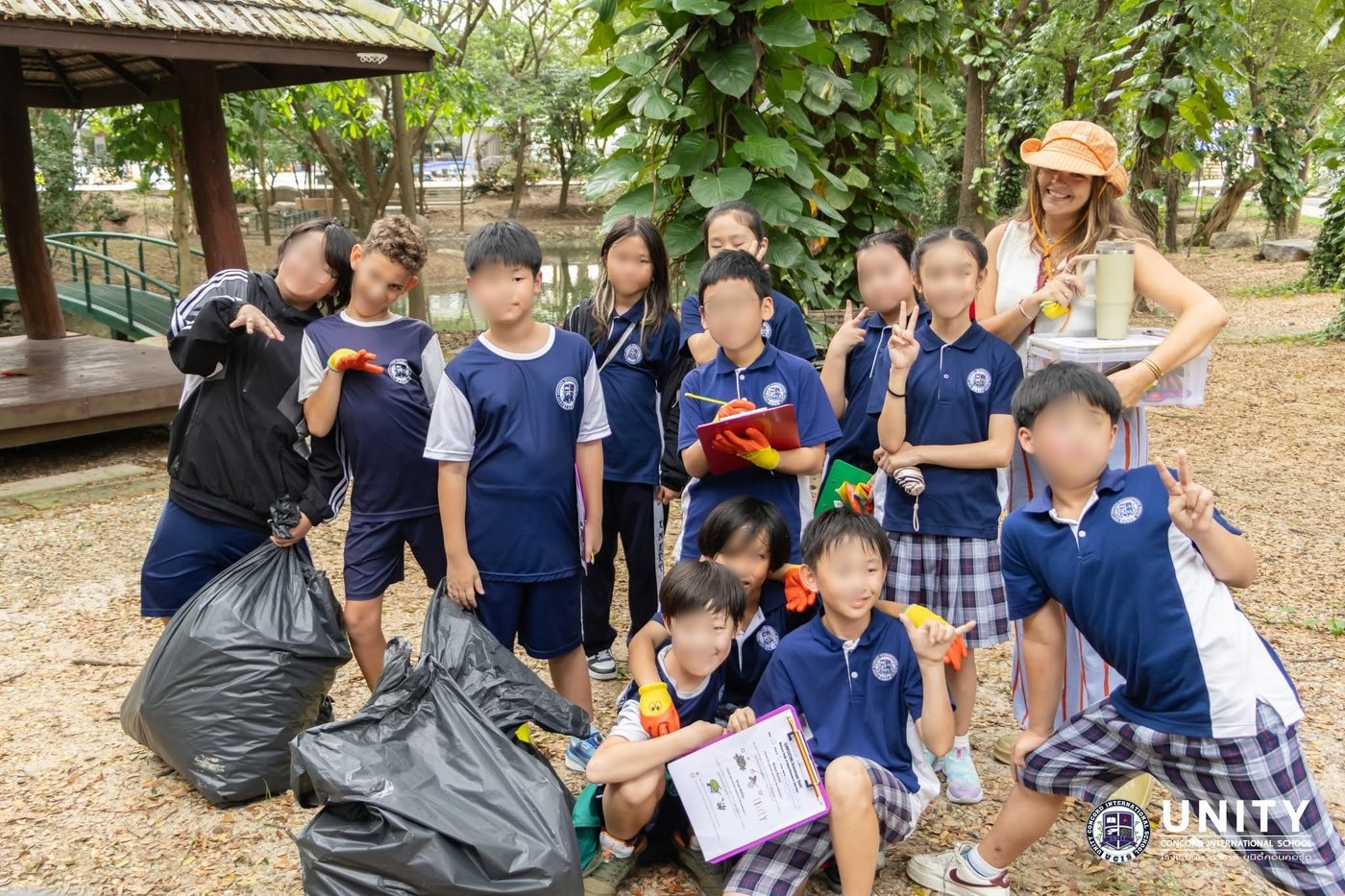
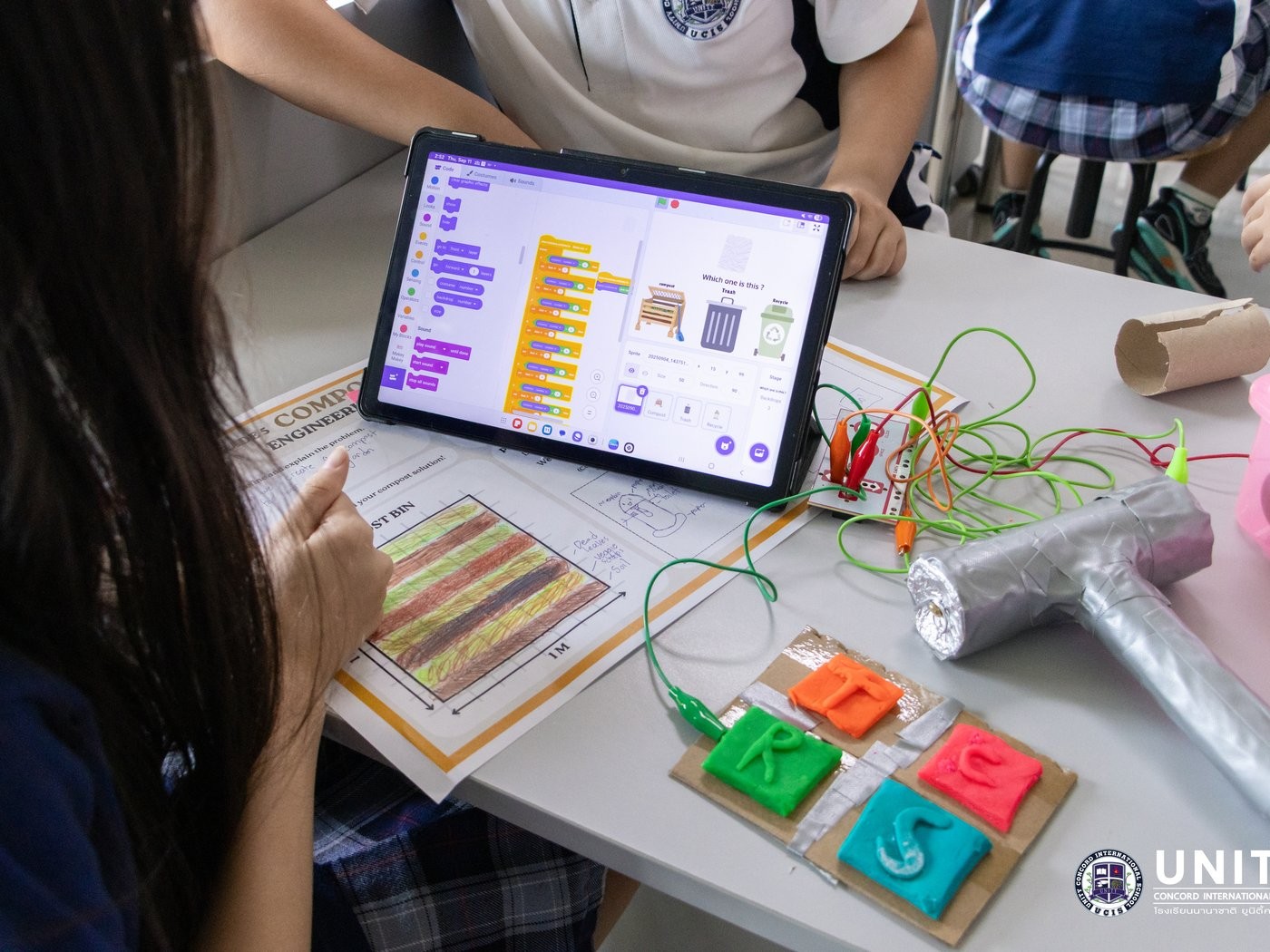
Soil, Waste & Composting (feat. Makey Makey)
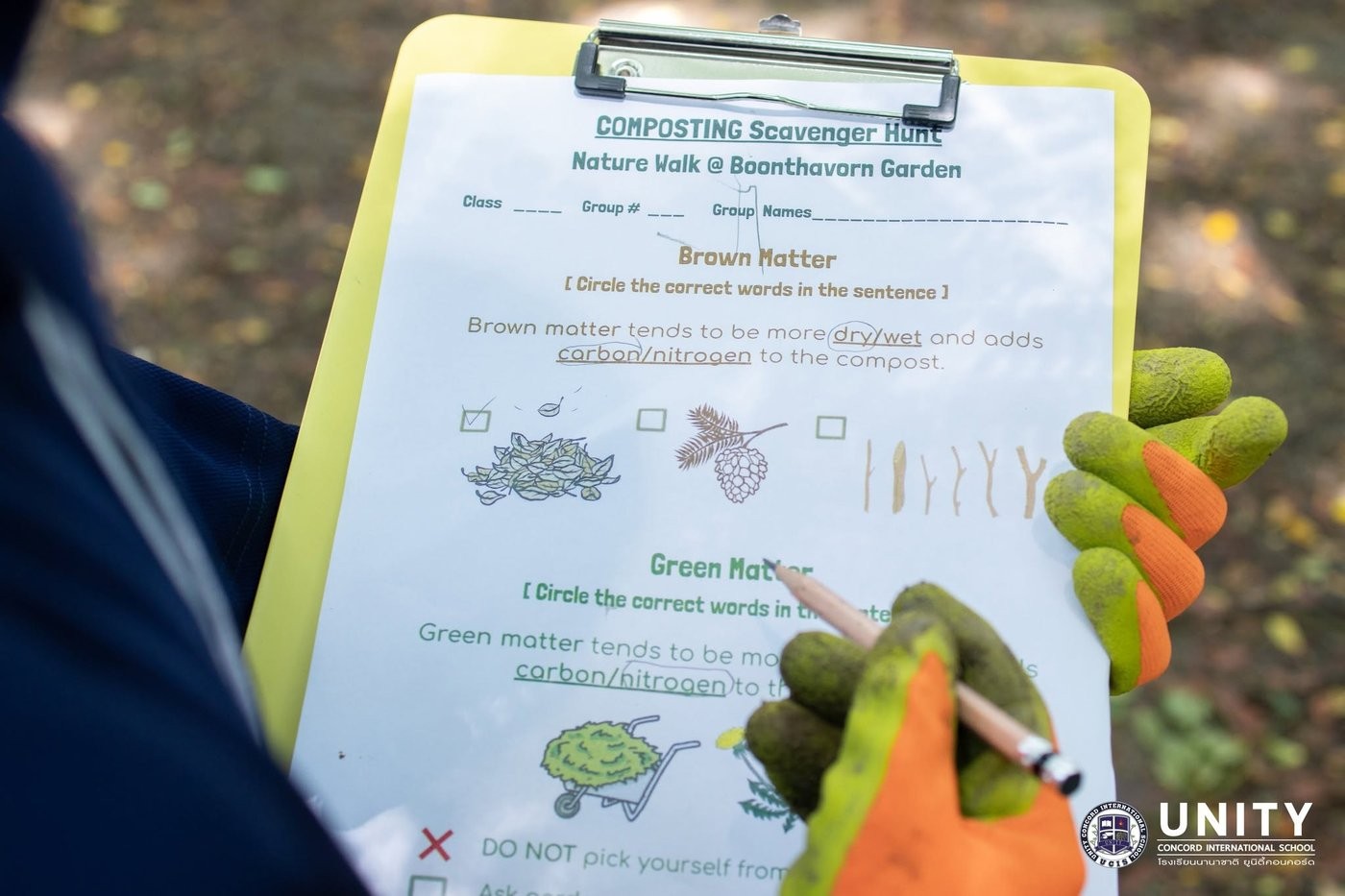
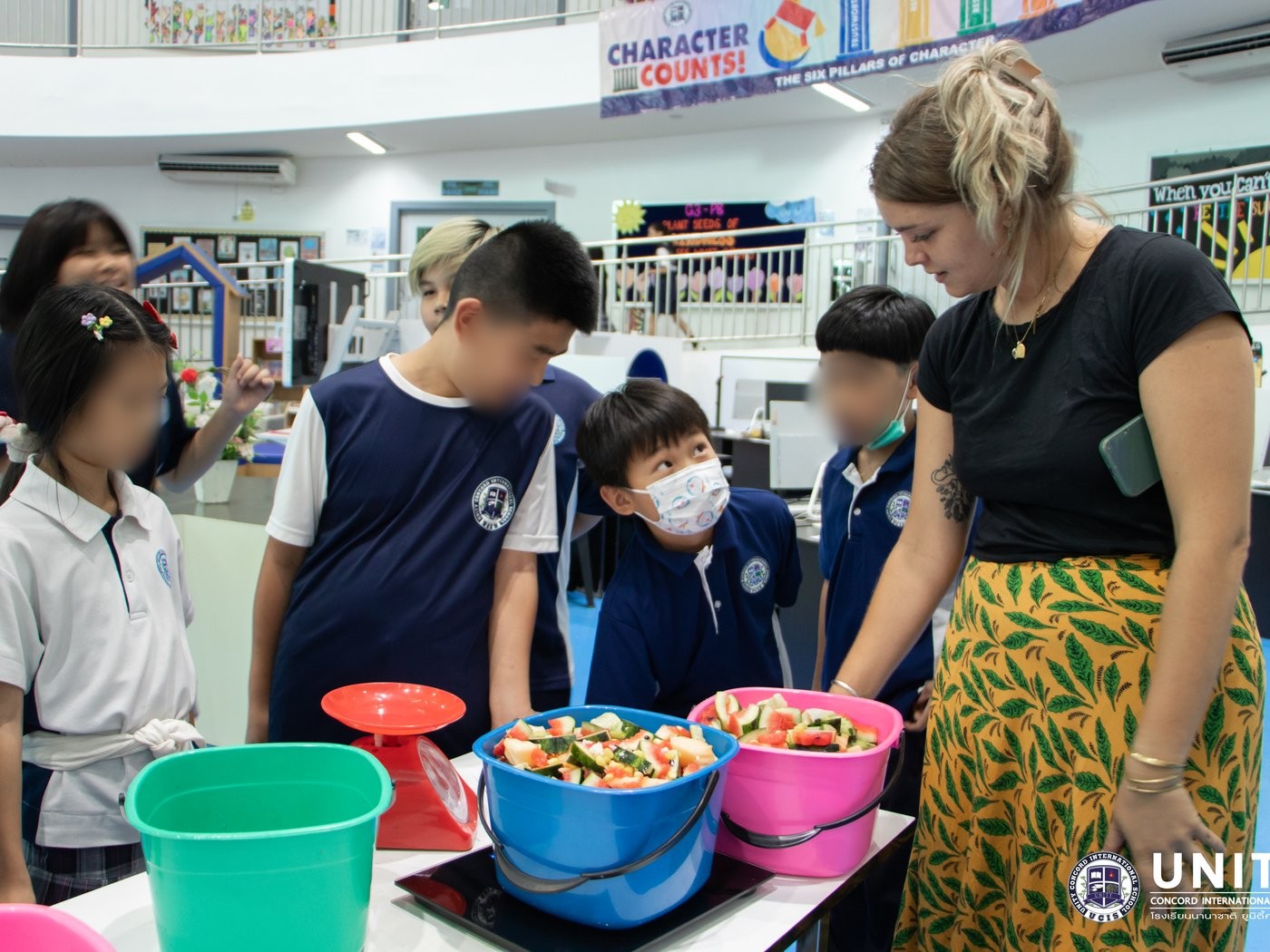
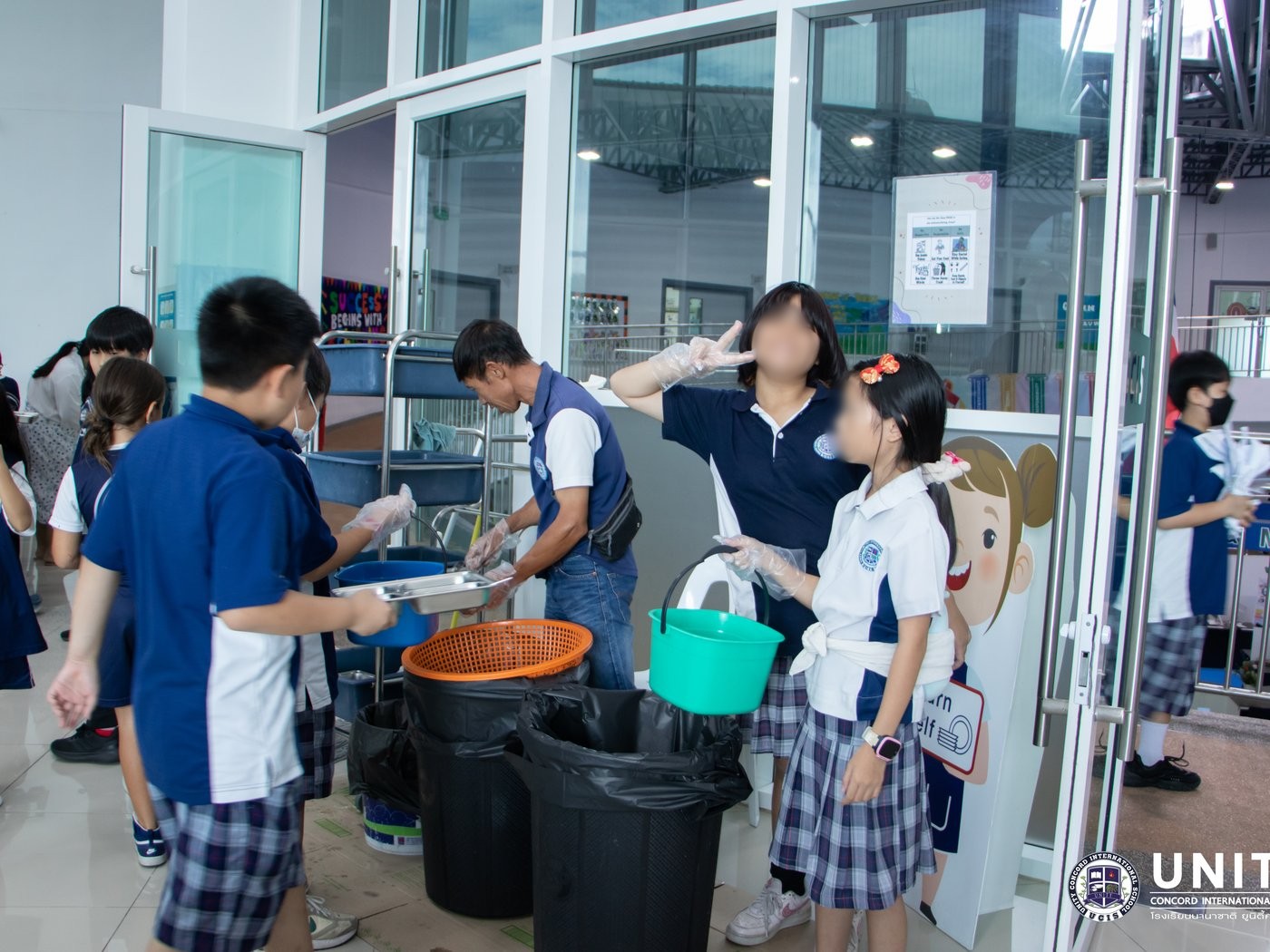
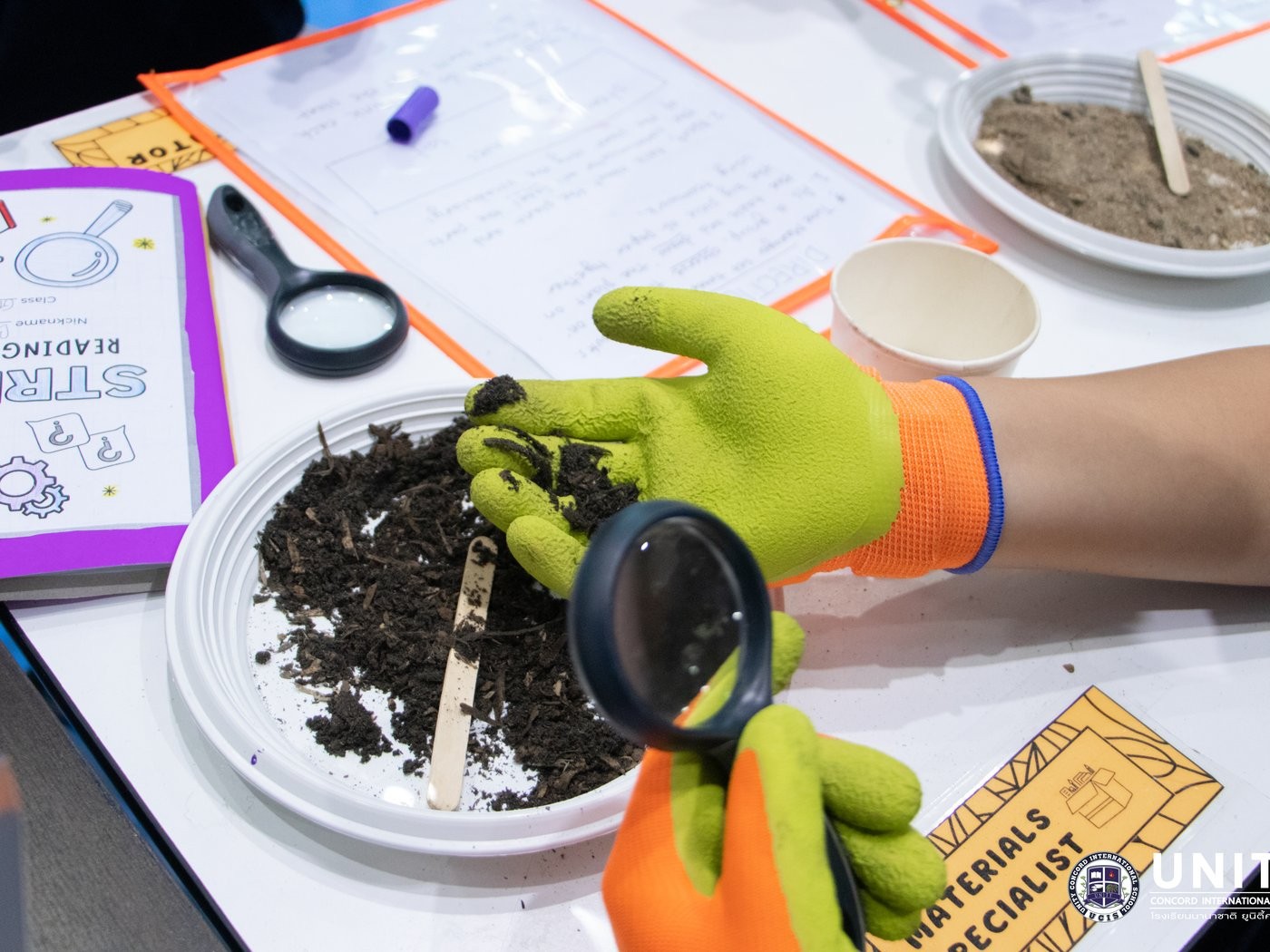
Students designed an actual compost program using cafeteria food waste to feed the Grade 3 garden project, tracking and graphing waste data along the way. The tech layer: teams built an interactive Makey Makey + Scratch display — brown matter, green matter, carbon and nitrogen — to teach younger students how composting works, then wrote and delivered the public-speaking piece themselves. A nature-walk scavenger hunt and a garden clean-up field trip grounded the science in hands-on fieldwork.
Lesson plans & rubric — coming soon
Ocean Cleanup Inventions (feat. Code.org AI Oceans)
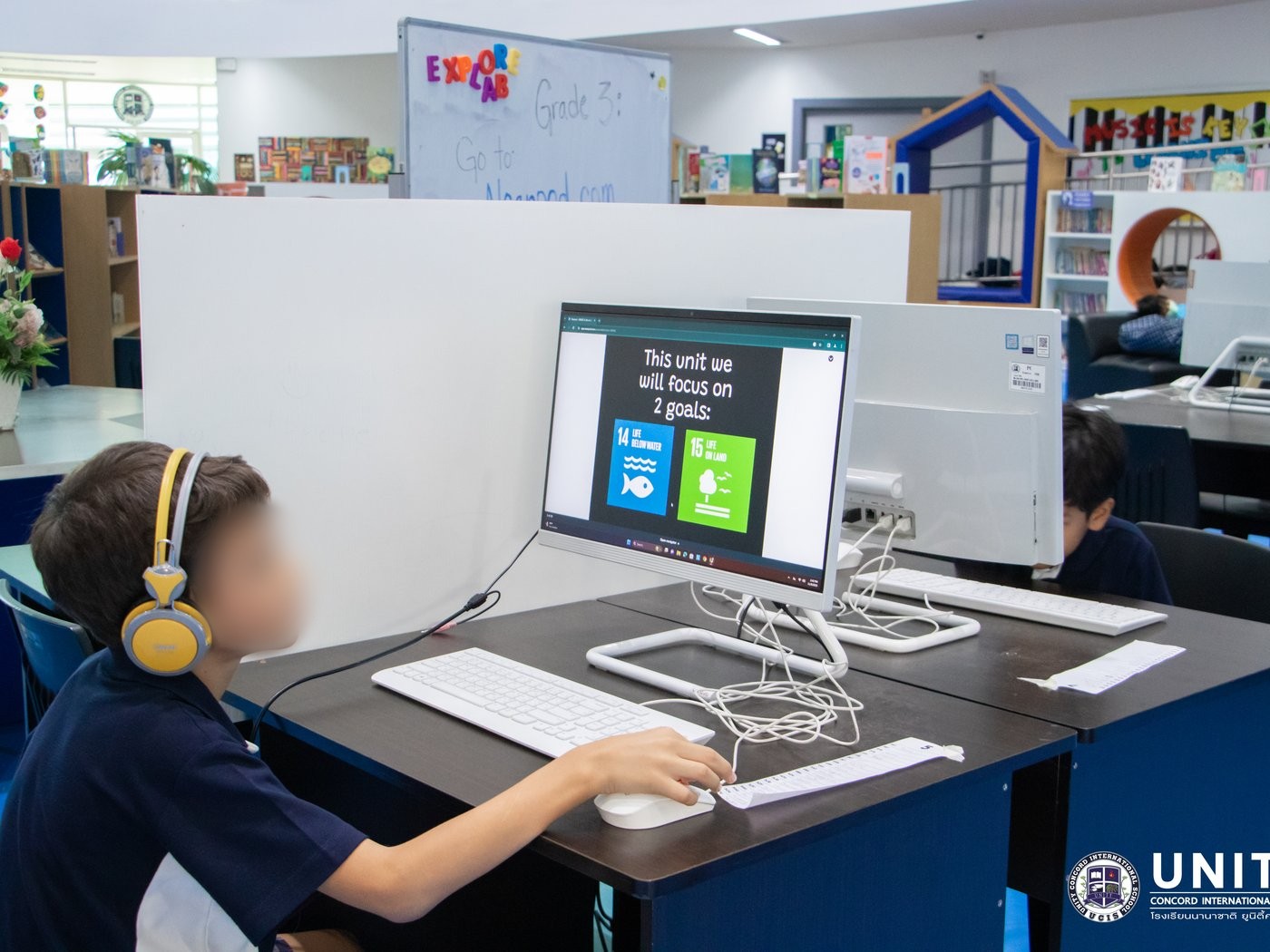
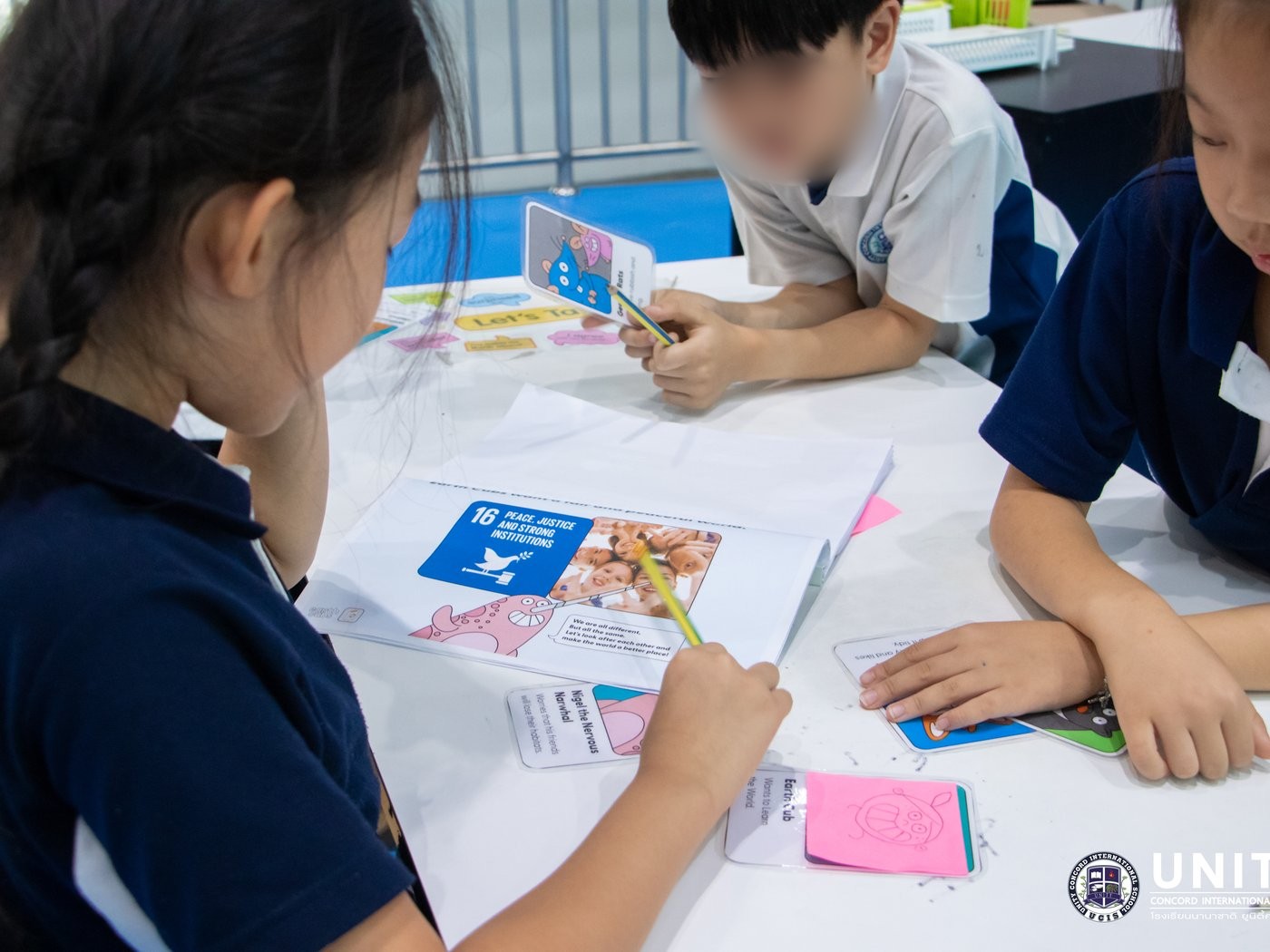
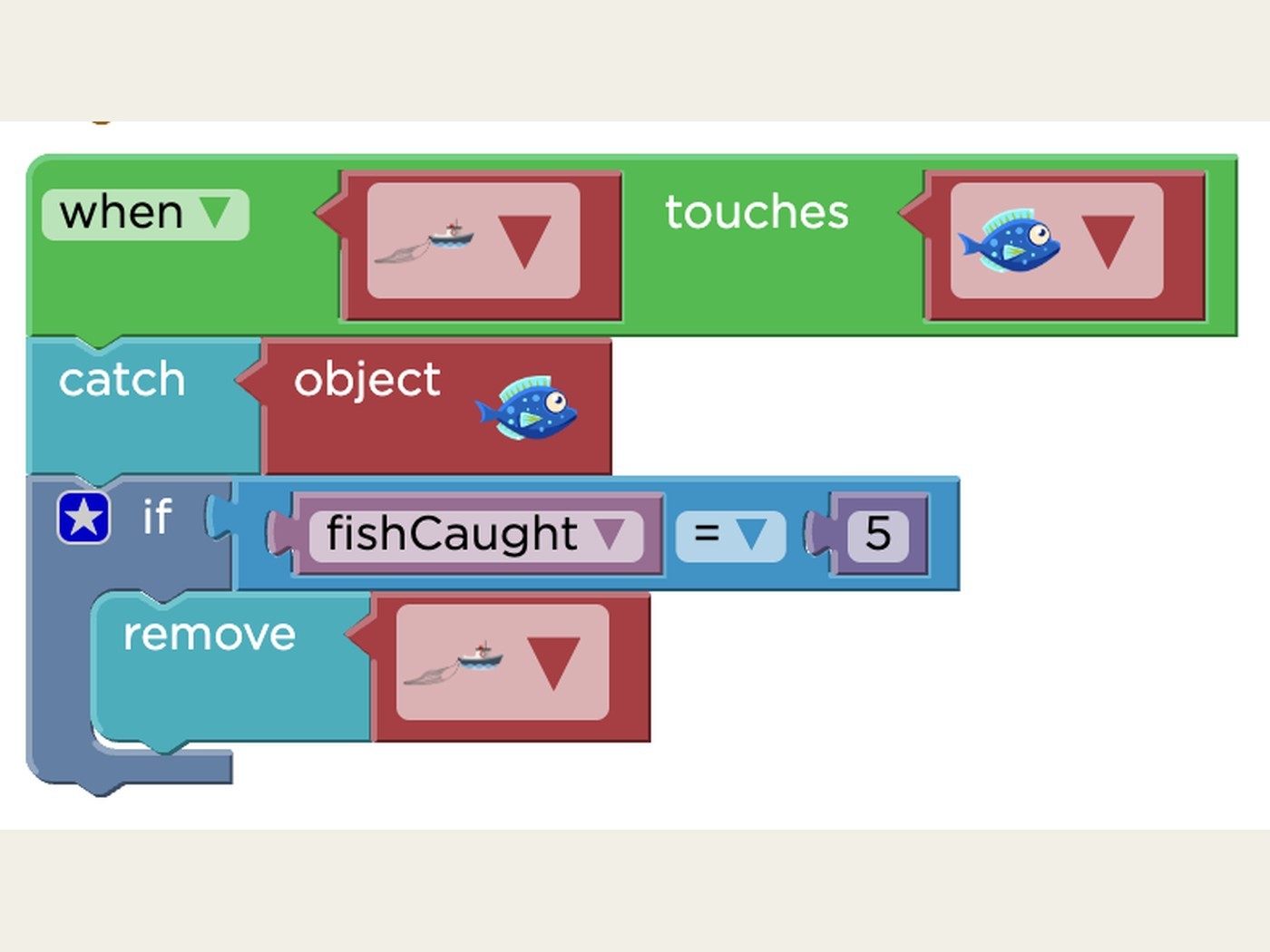
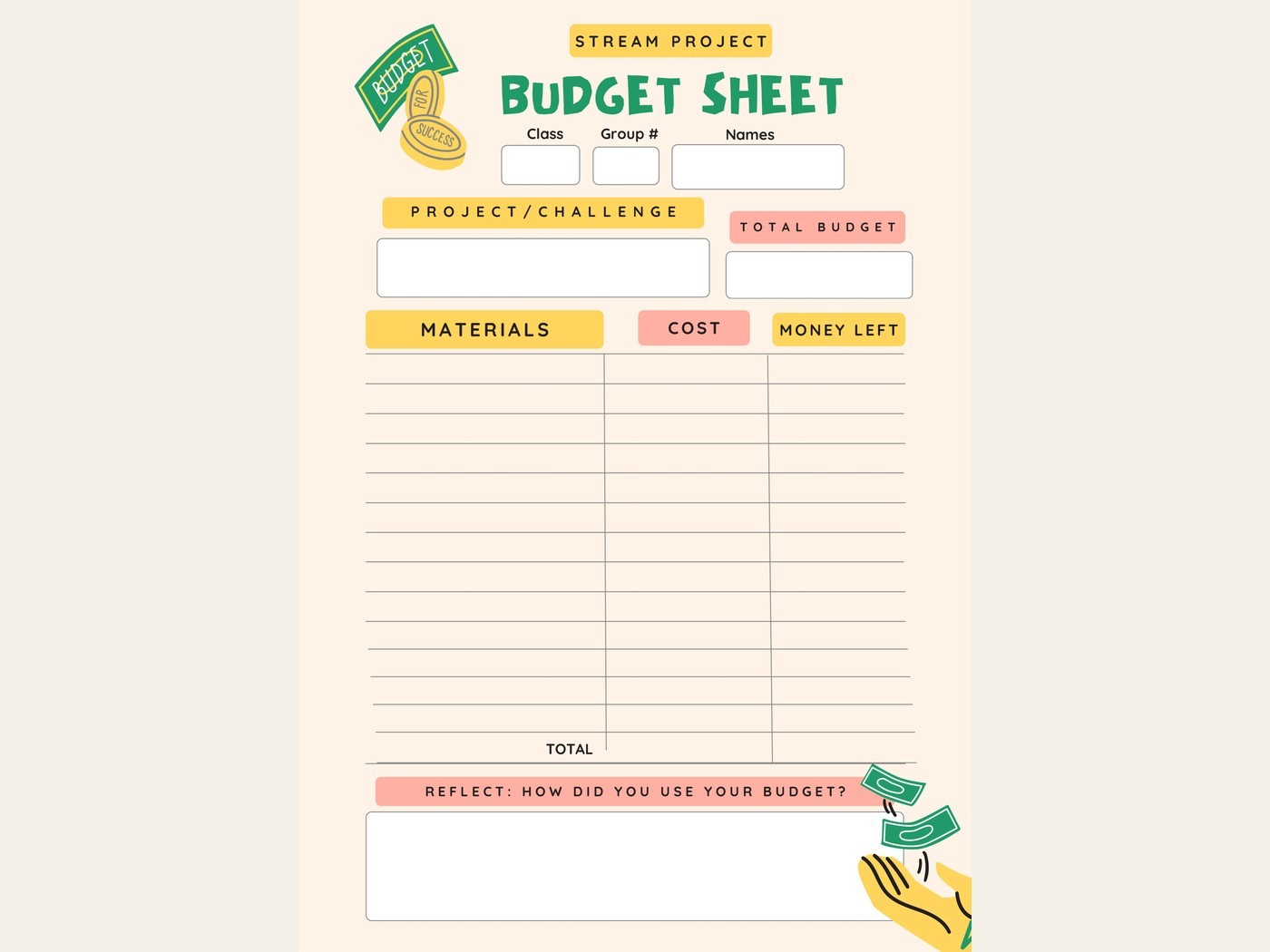
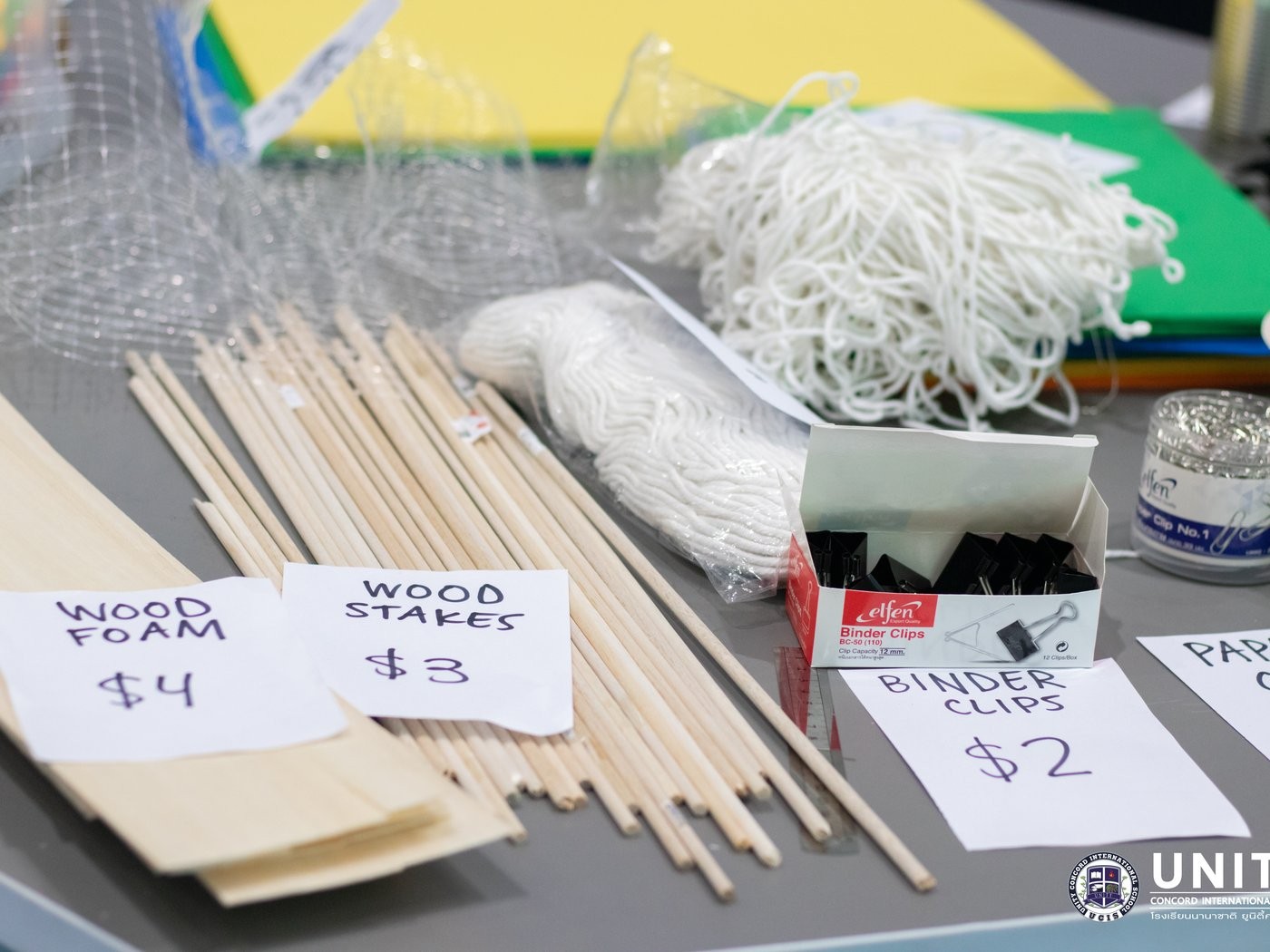
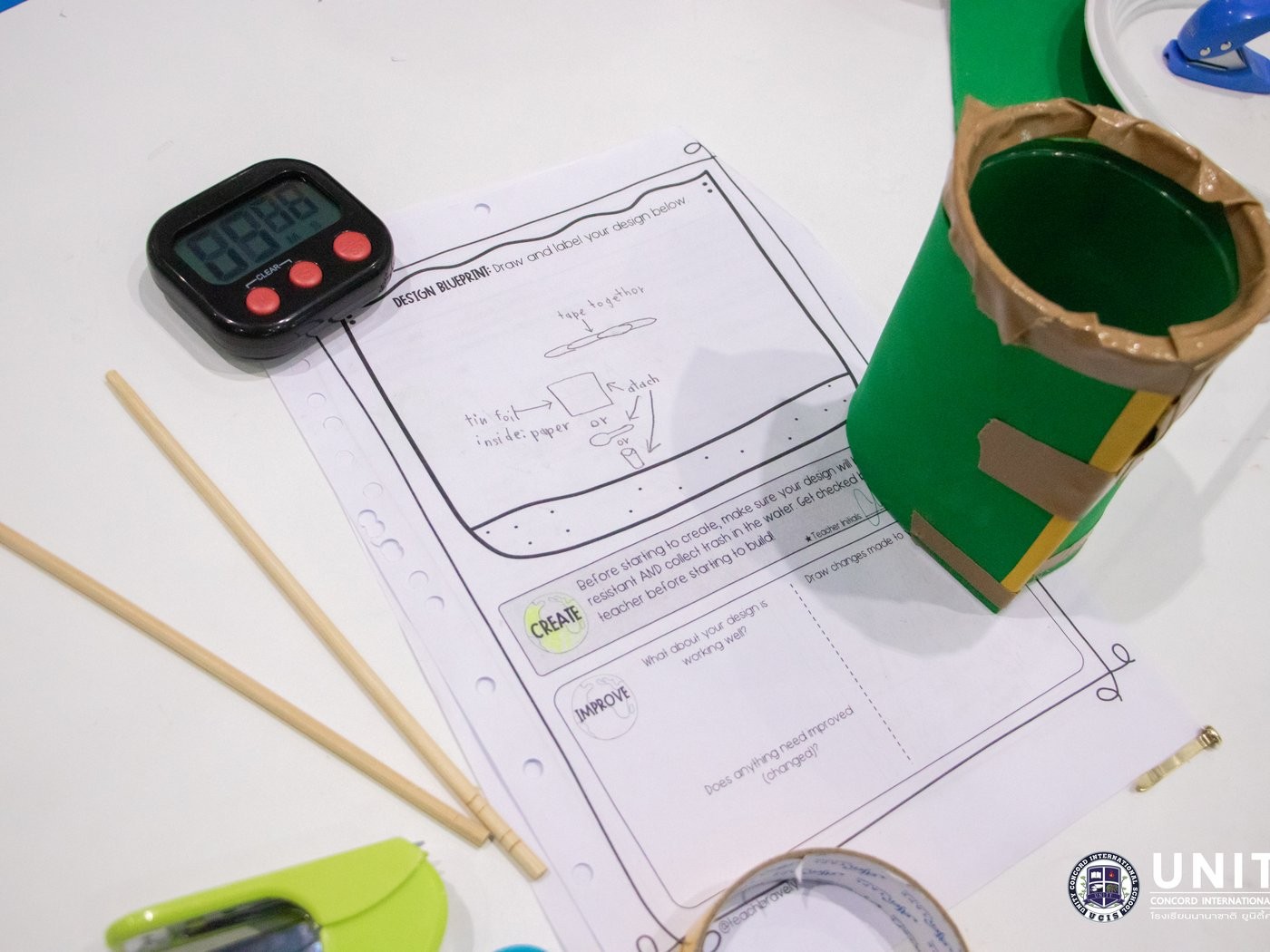
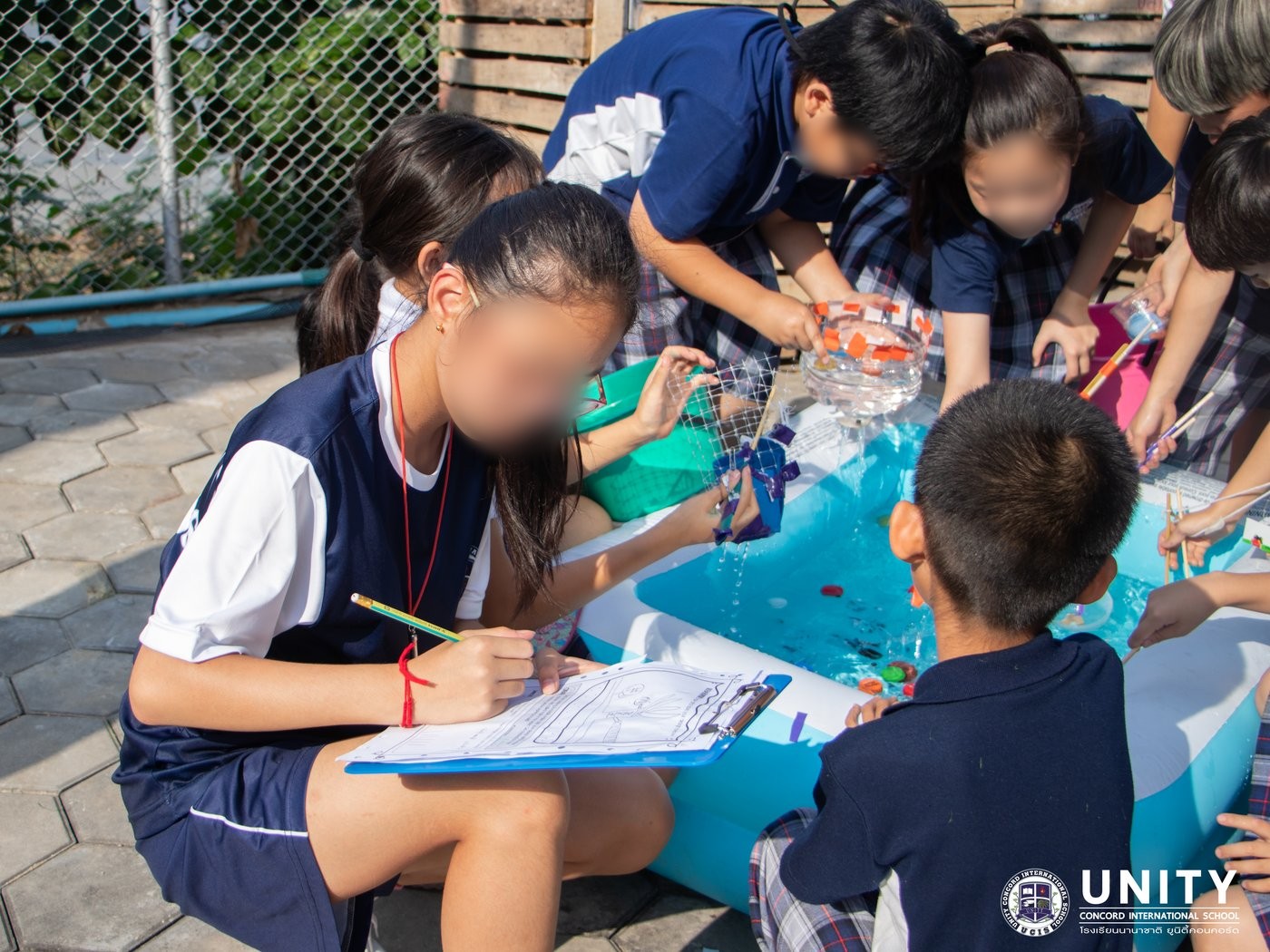
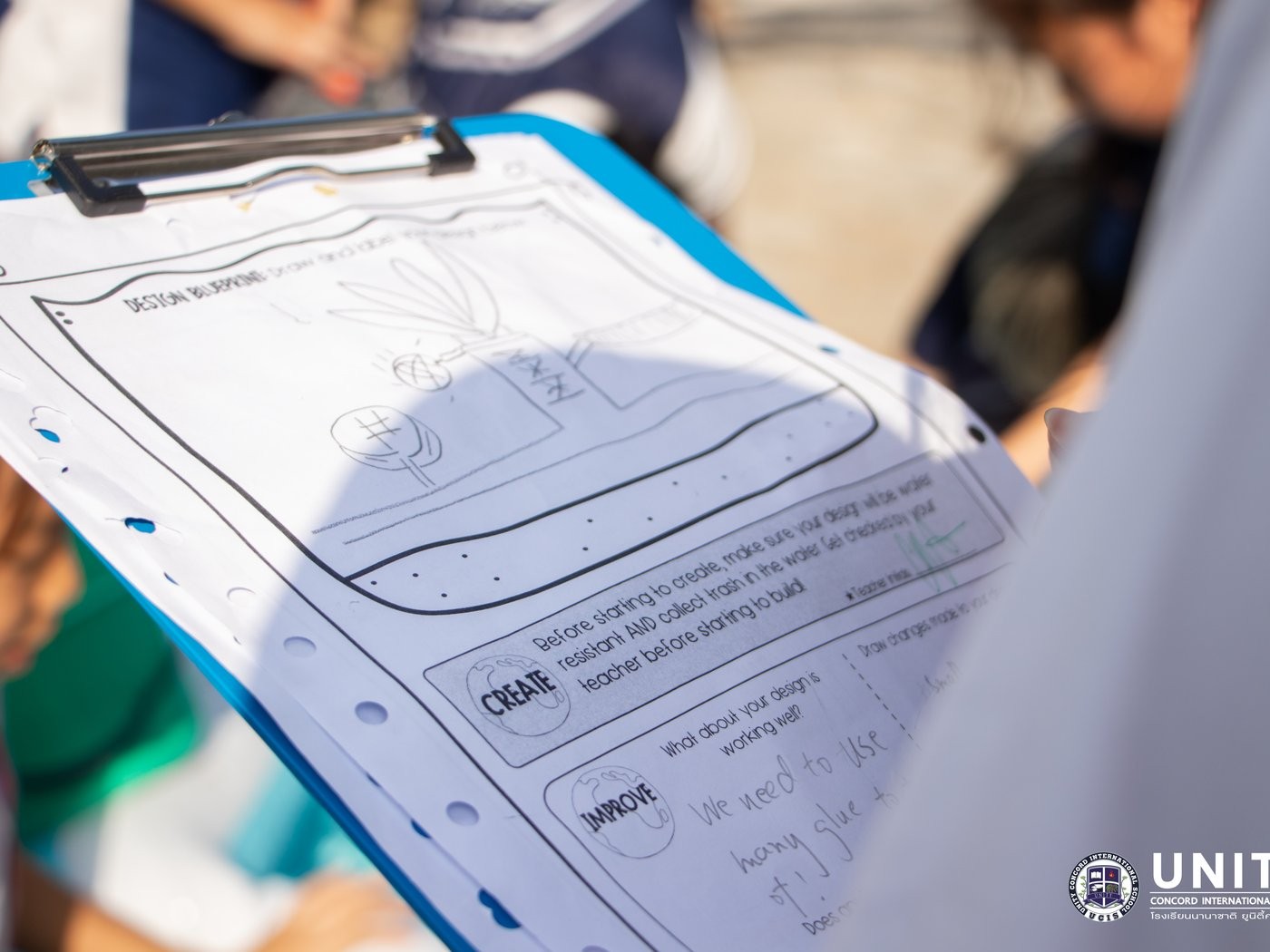
Anchored in Global Goals #14 and #15 (Life Below Water and Life on Land), students explored habitat destruction and microplastics through books, articles, and Nearpod virtual field trips, then coded through Code.org's AI Oceans project before moving into engineering. Teams set a materials budget, "shopped" for supplies, and built ocean-cleanup devices from recycled plastic and makerspace materials — testing them in an inflatable pool and revising based on what actually worked.
Lesson plans & rubric — coming soon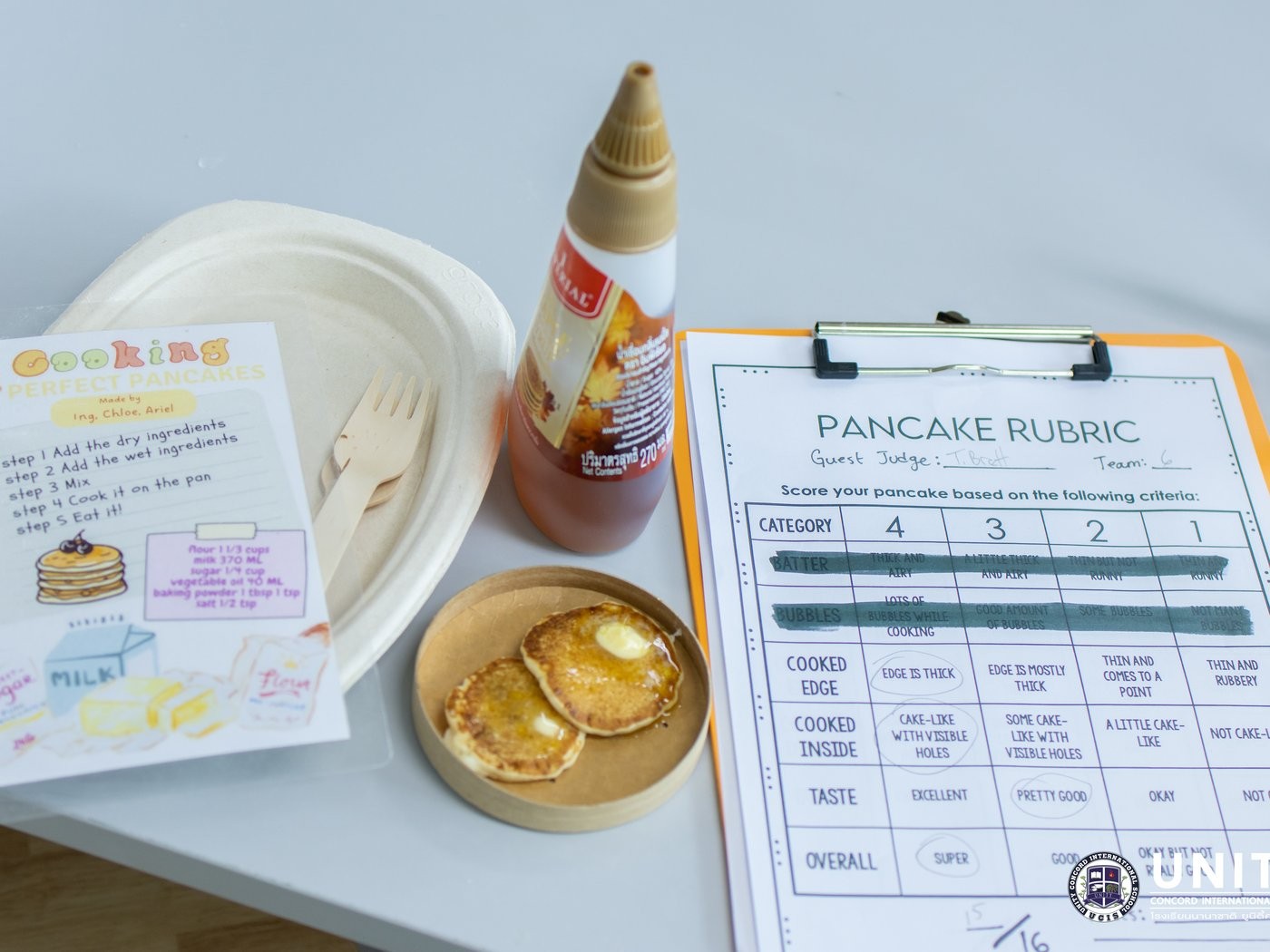
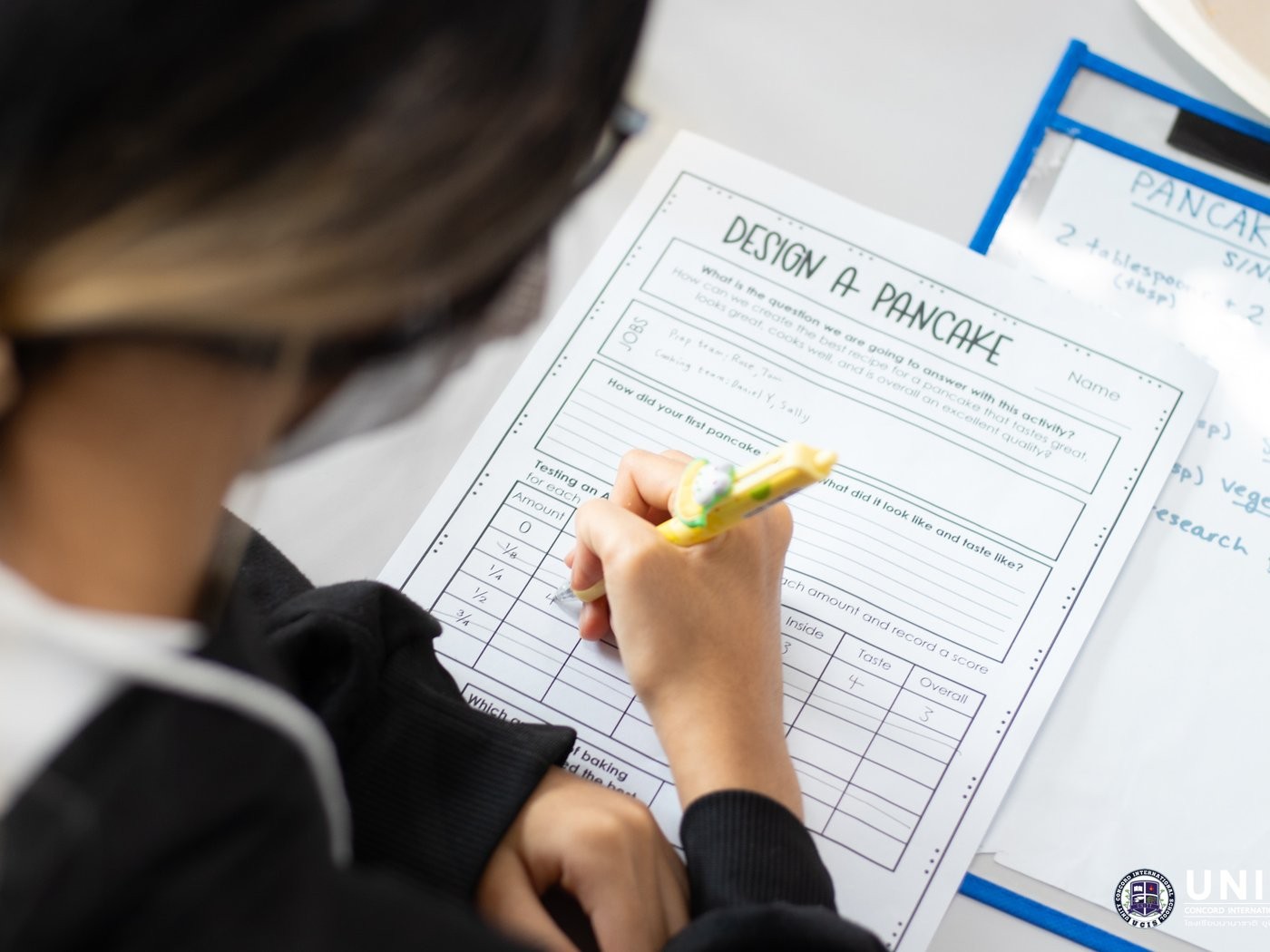
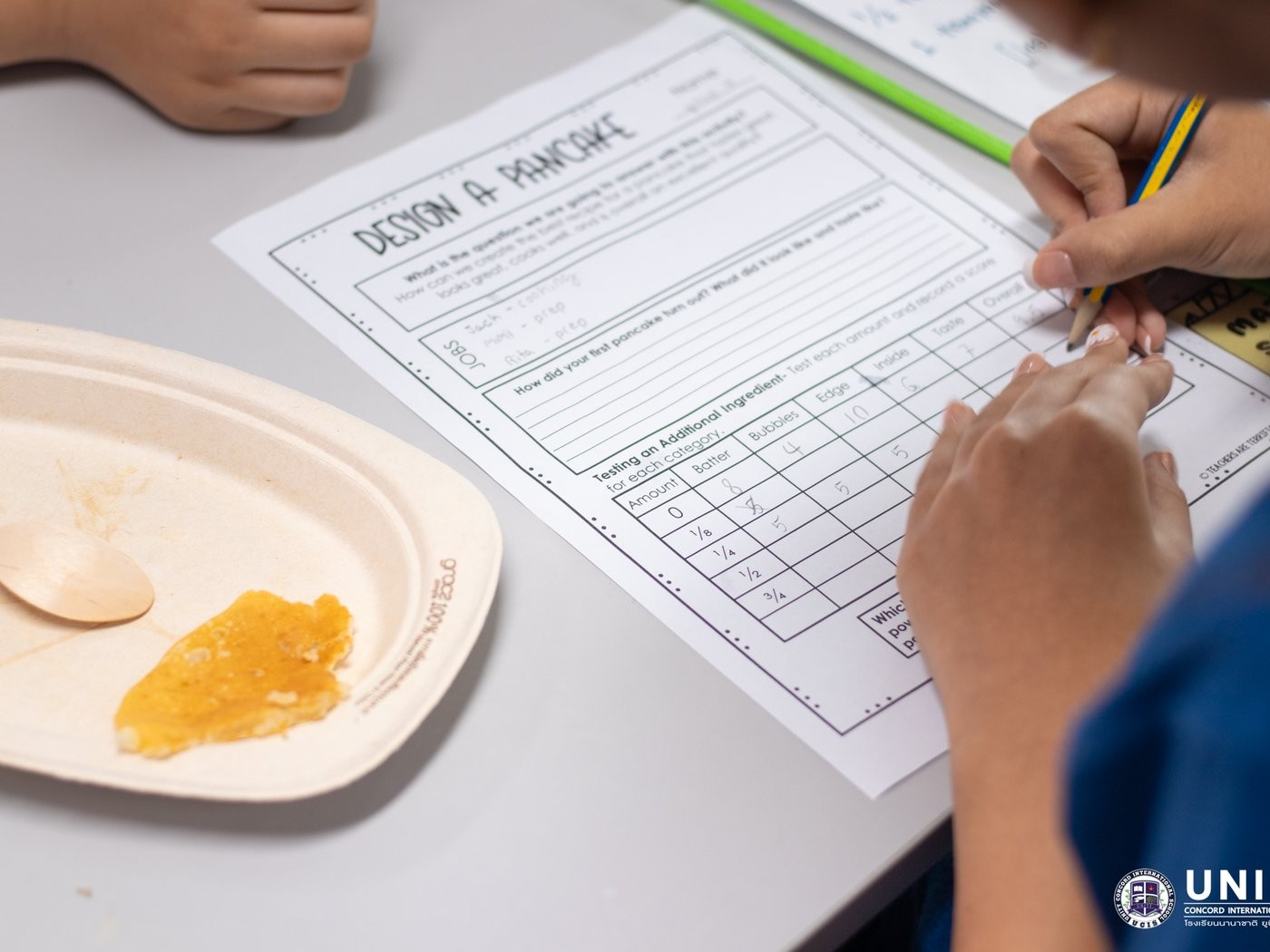
The Science of Cooking: Designing the Perfect Pancake
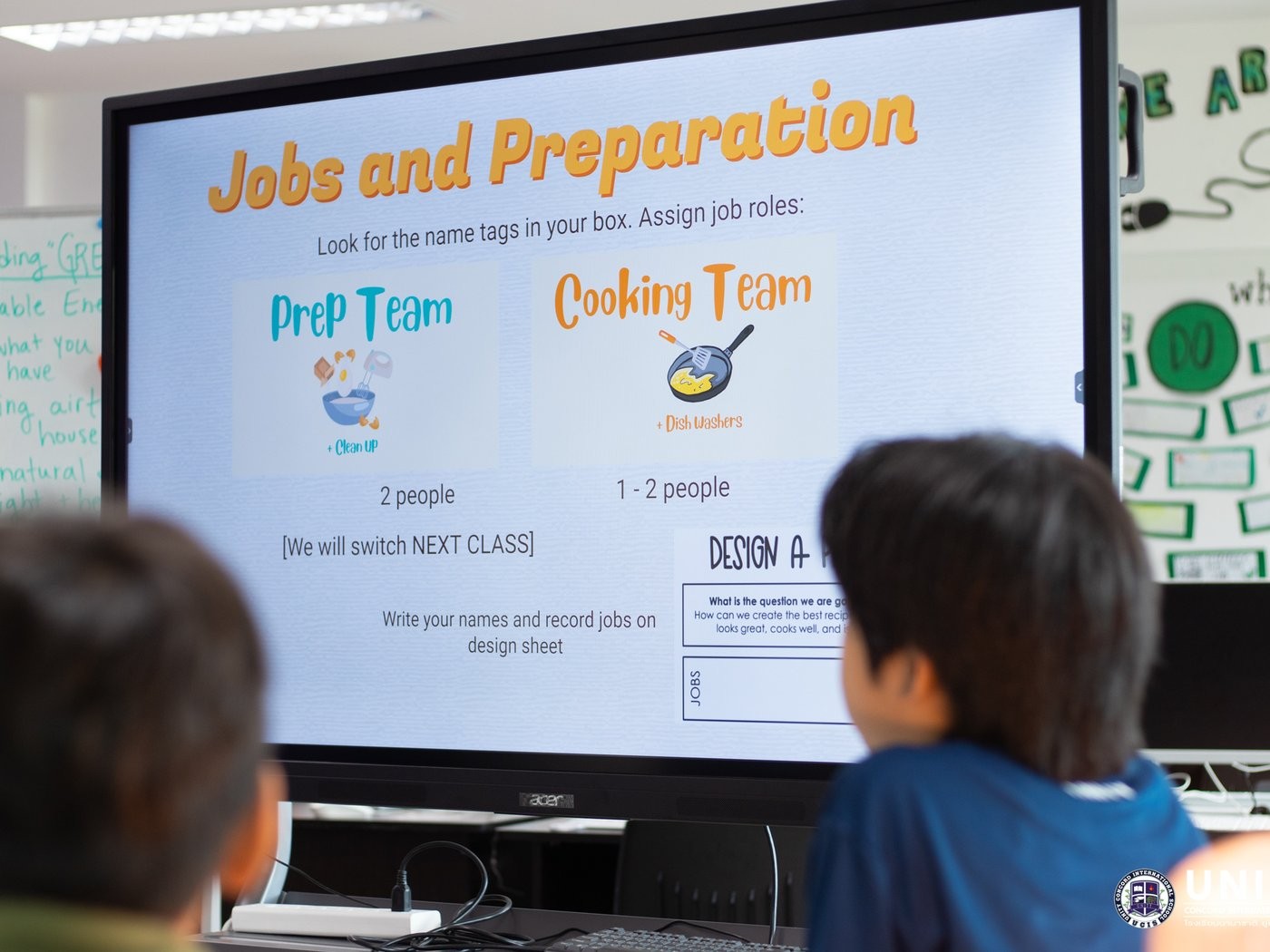
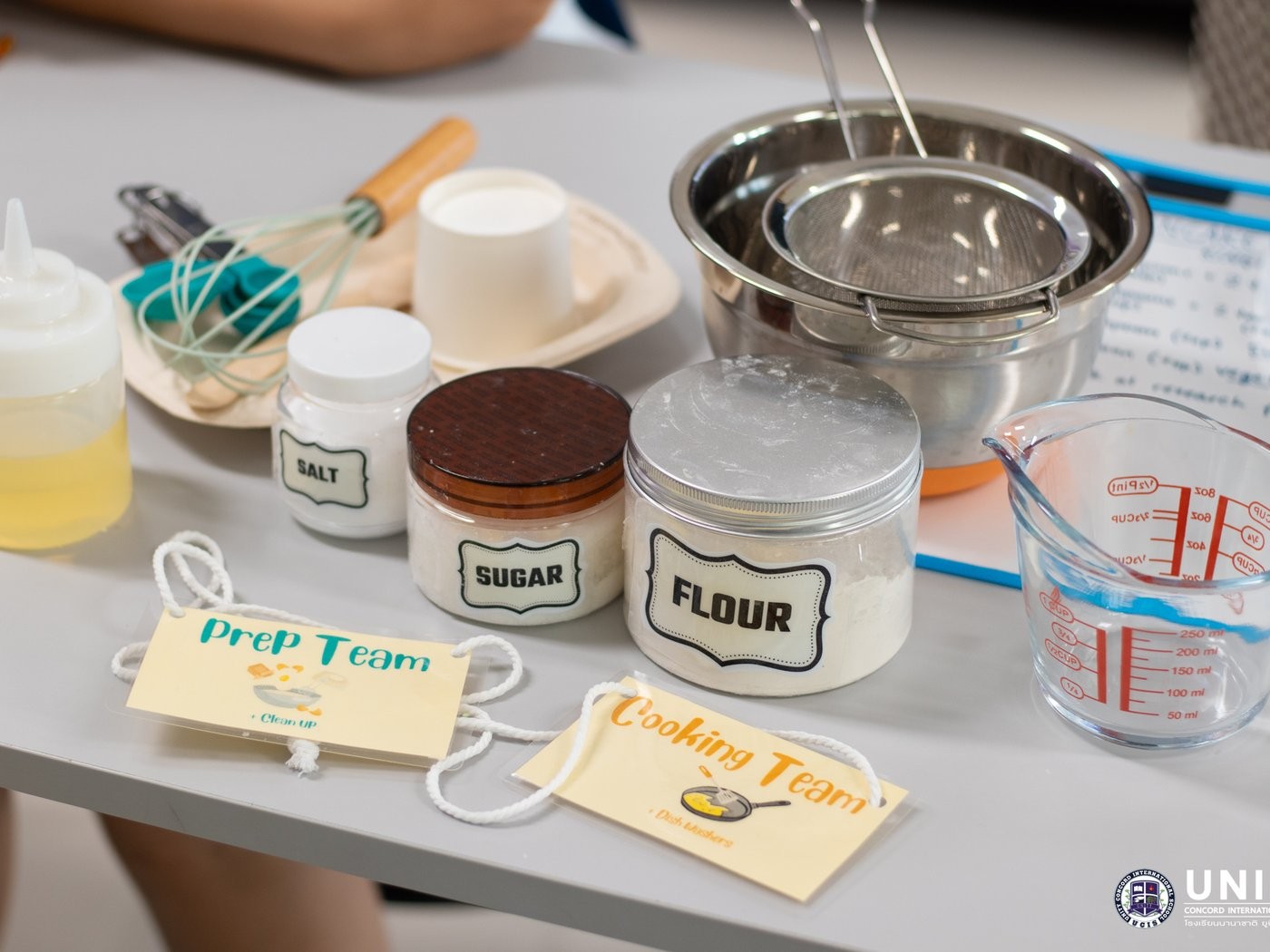
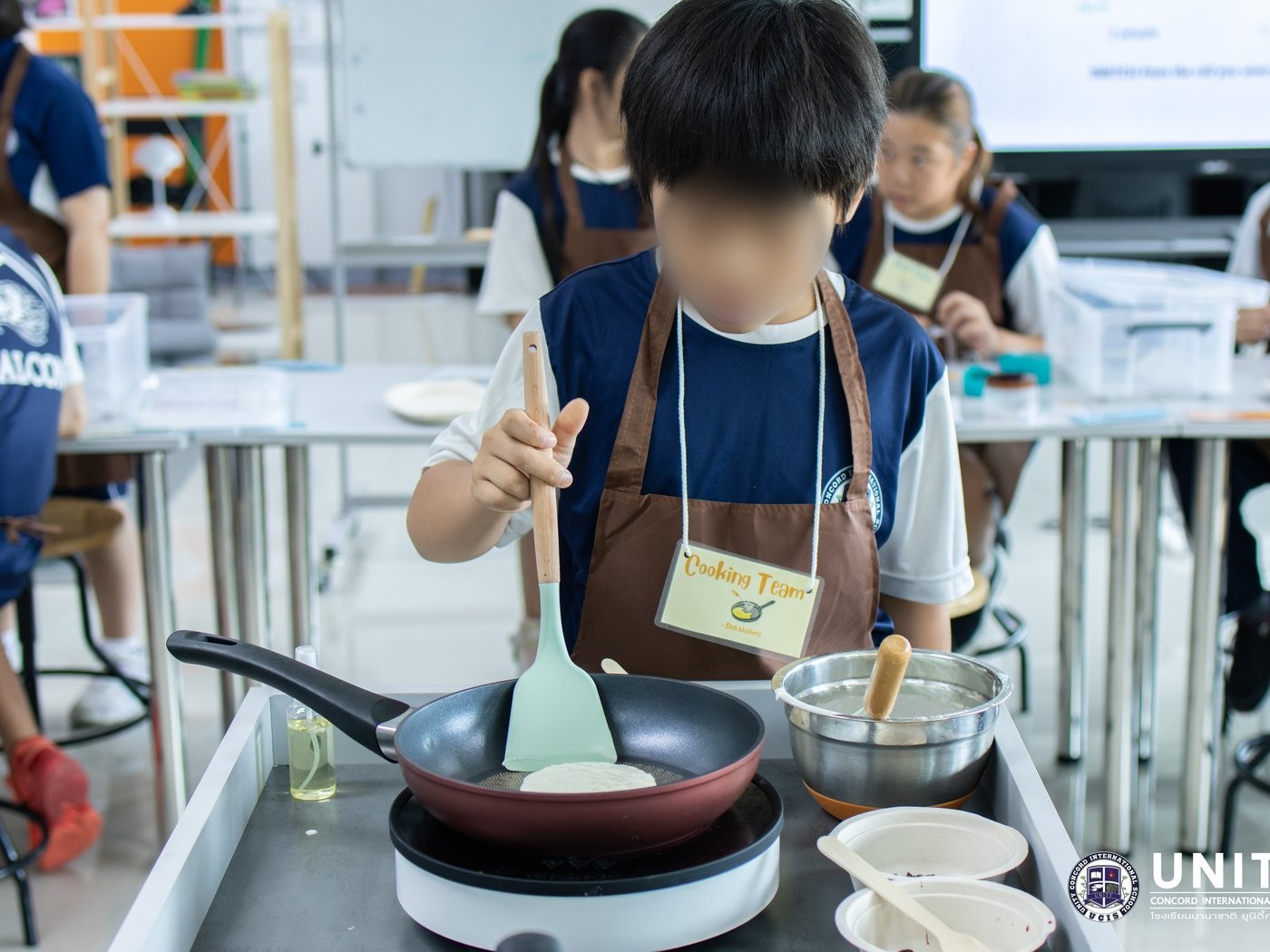
A matter-and-mixtures unit disguised as a cook-off: after a talk from a professional chef on recipe development, students ran genuine trial-and-error testing — changing ingredients, ratios, and mixing order — to engineer "the perfect pancake" while tracking physical and chemical changes in their data logs. The unit closed with a Canva recipe infographic and a video-documented Google Site blog post, walking through their process in chronological, instructional writing.
Lesson plans & rubric — coming soon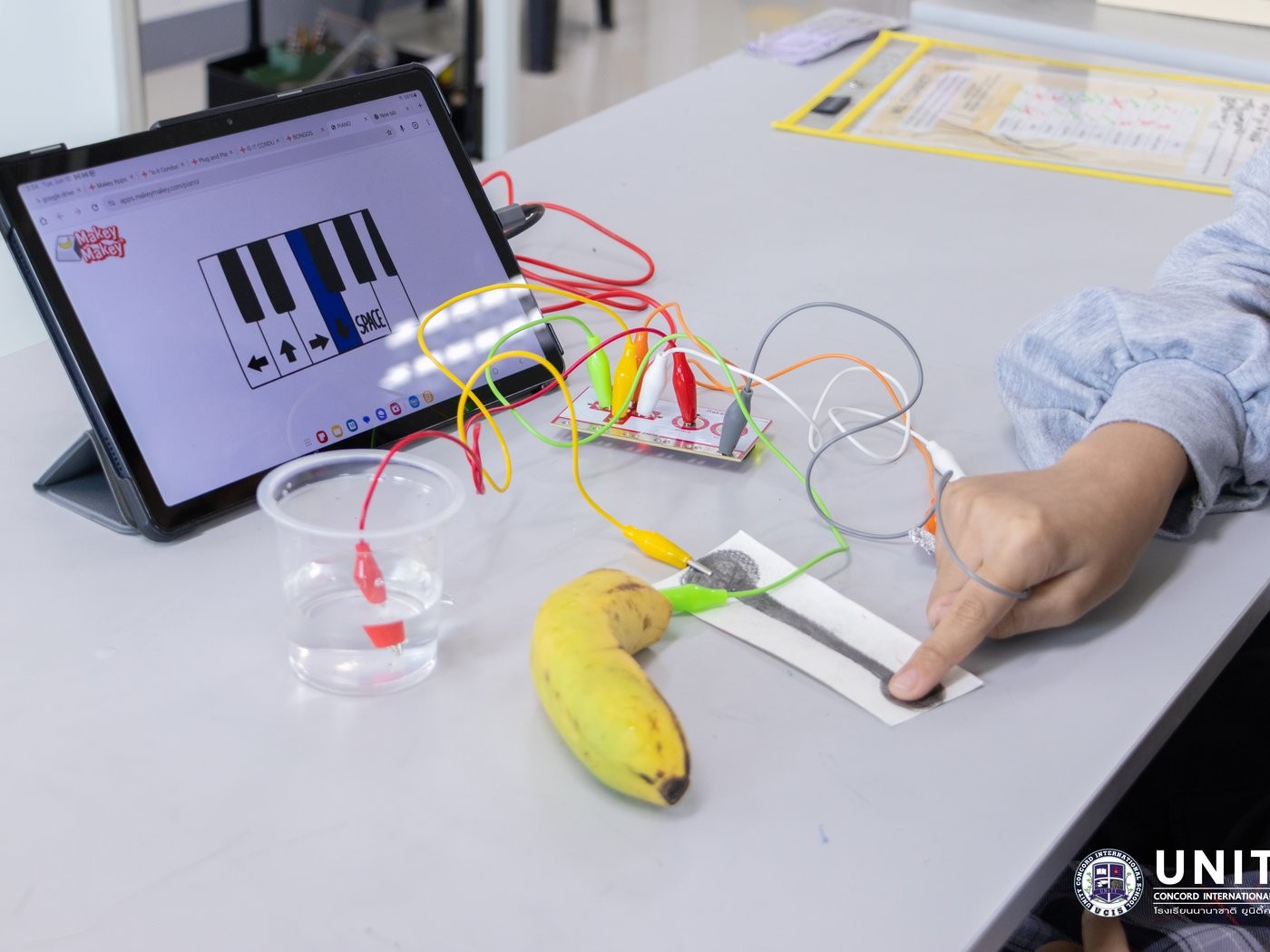
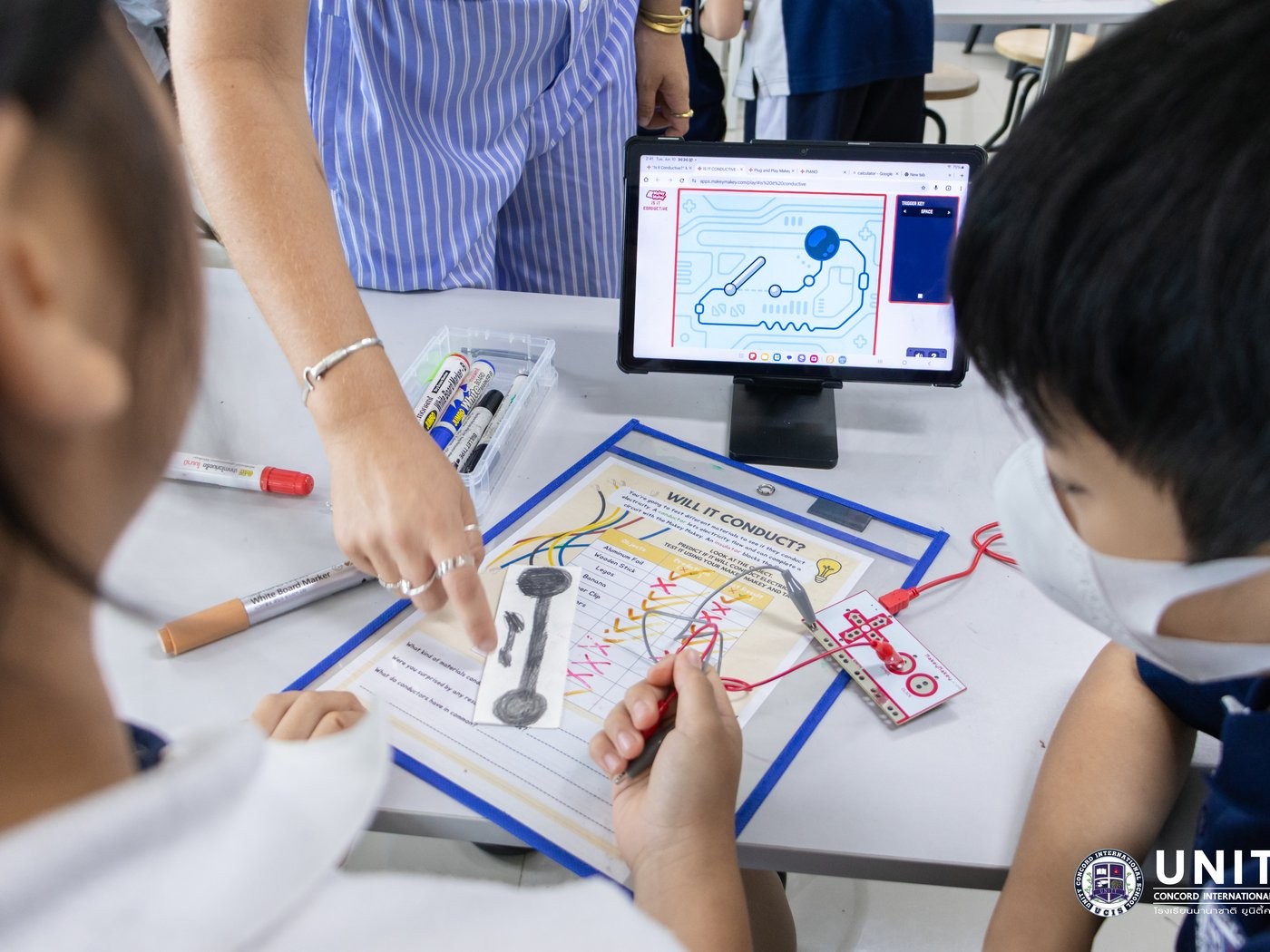
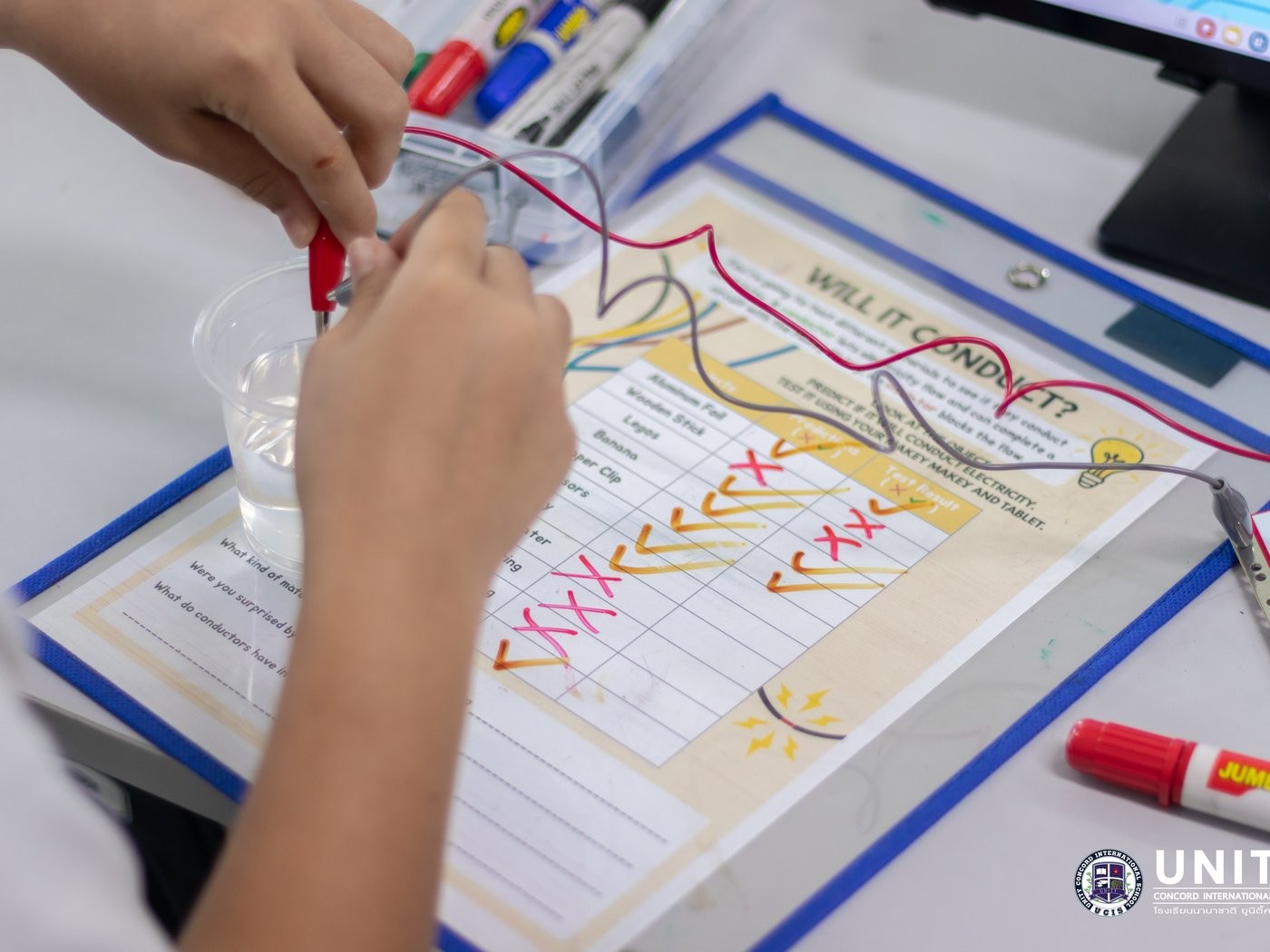
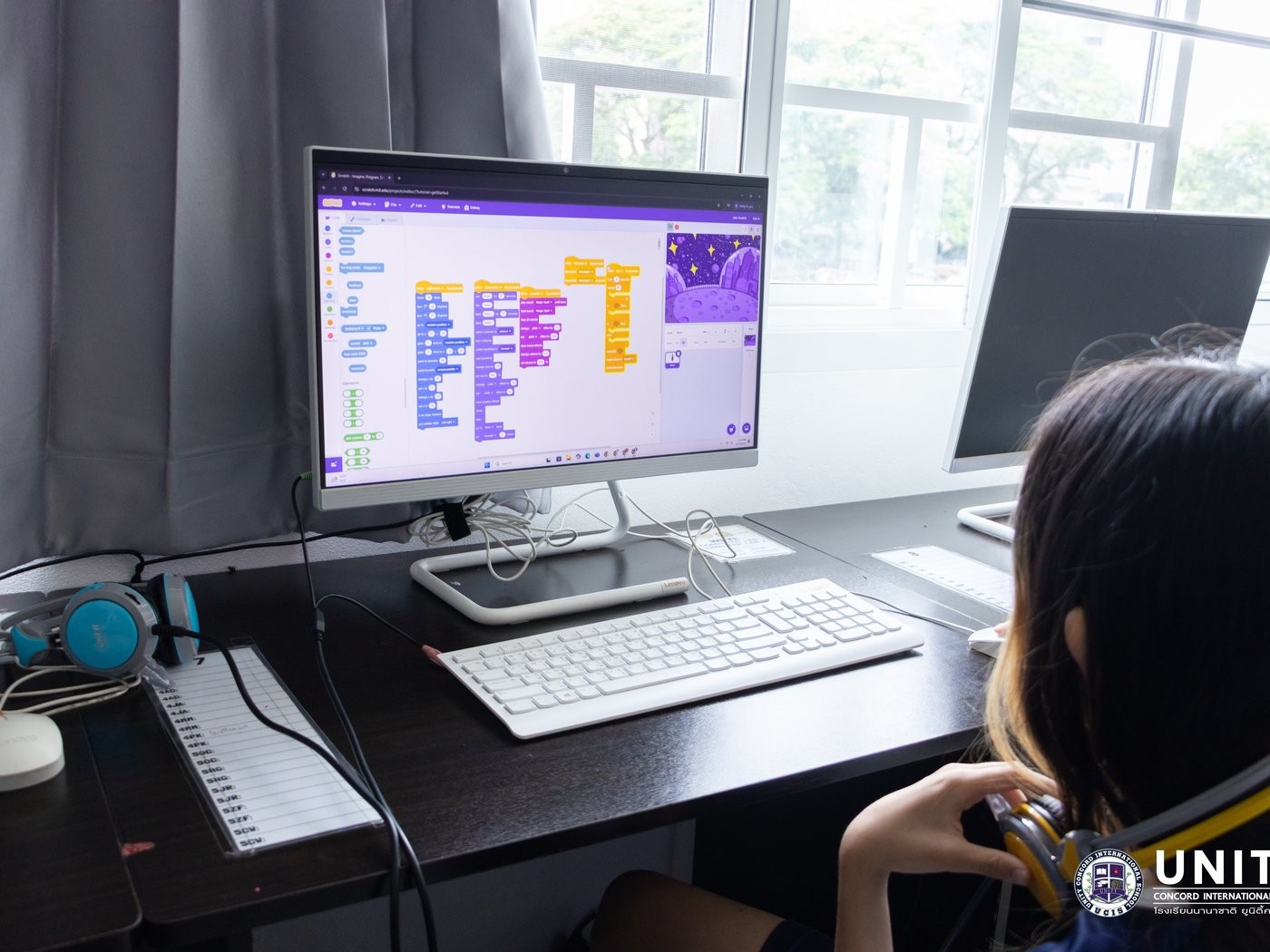
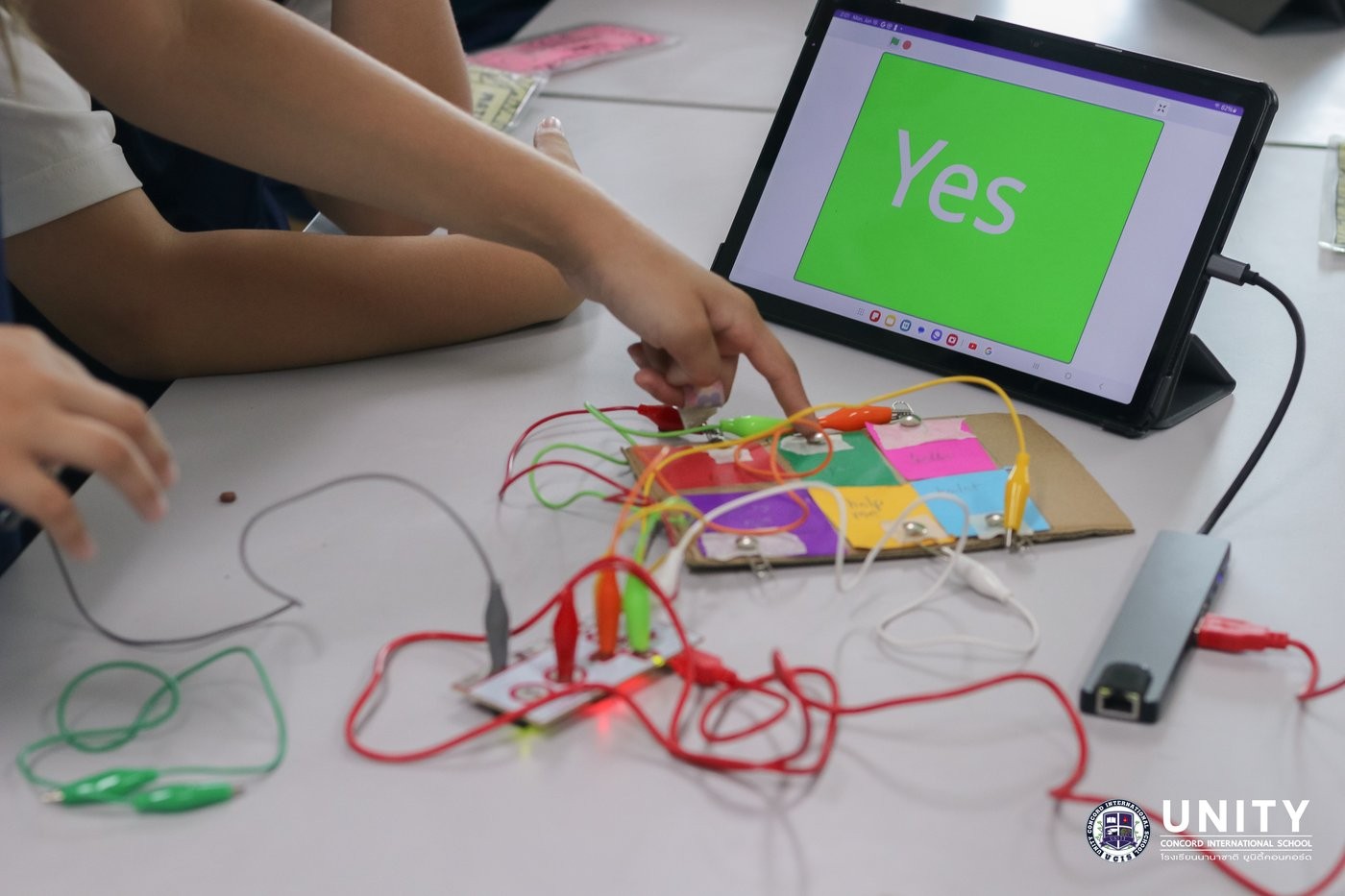
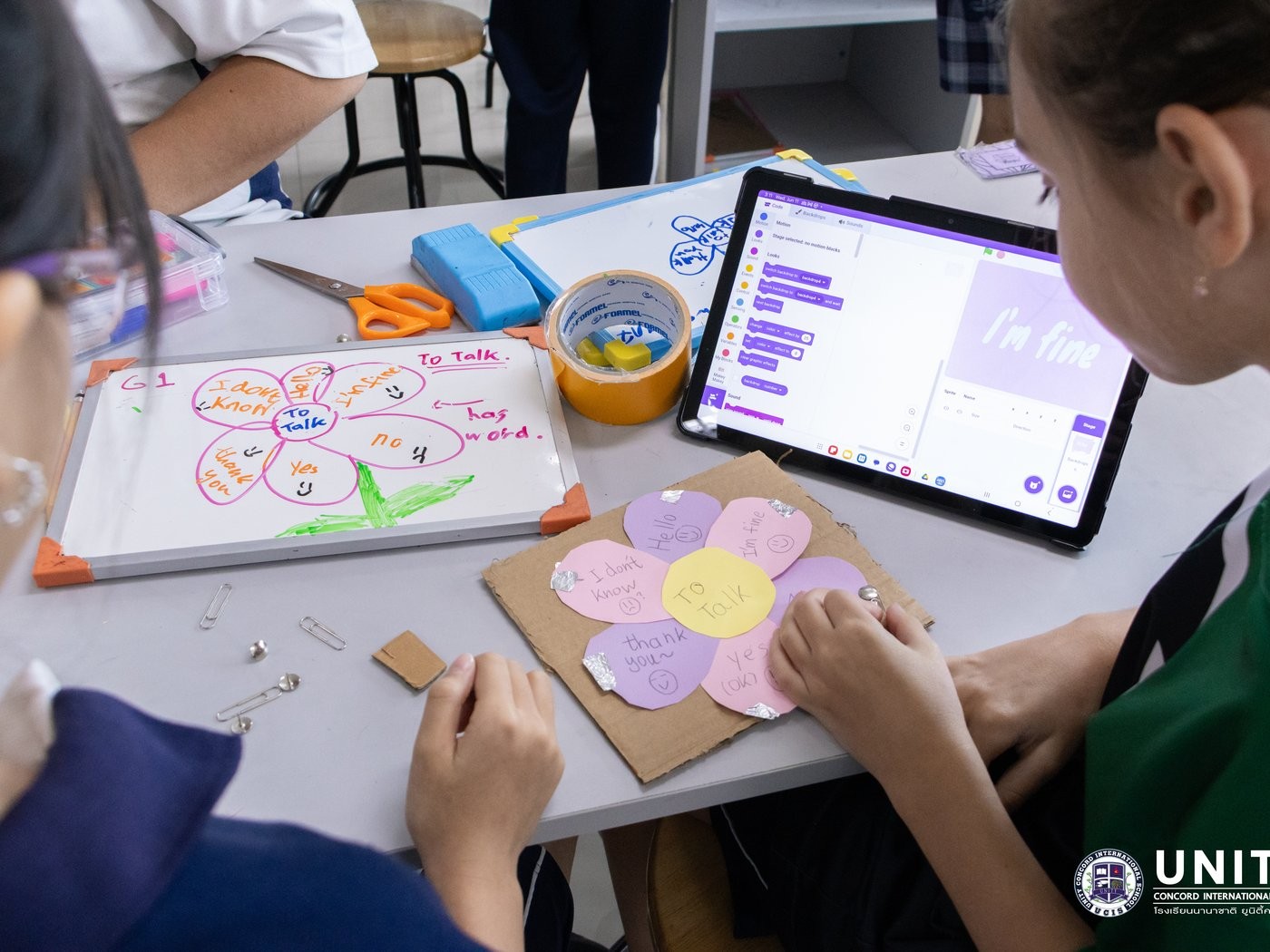
Senses, Circuits & Solutions (feat. Makey Makey)
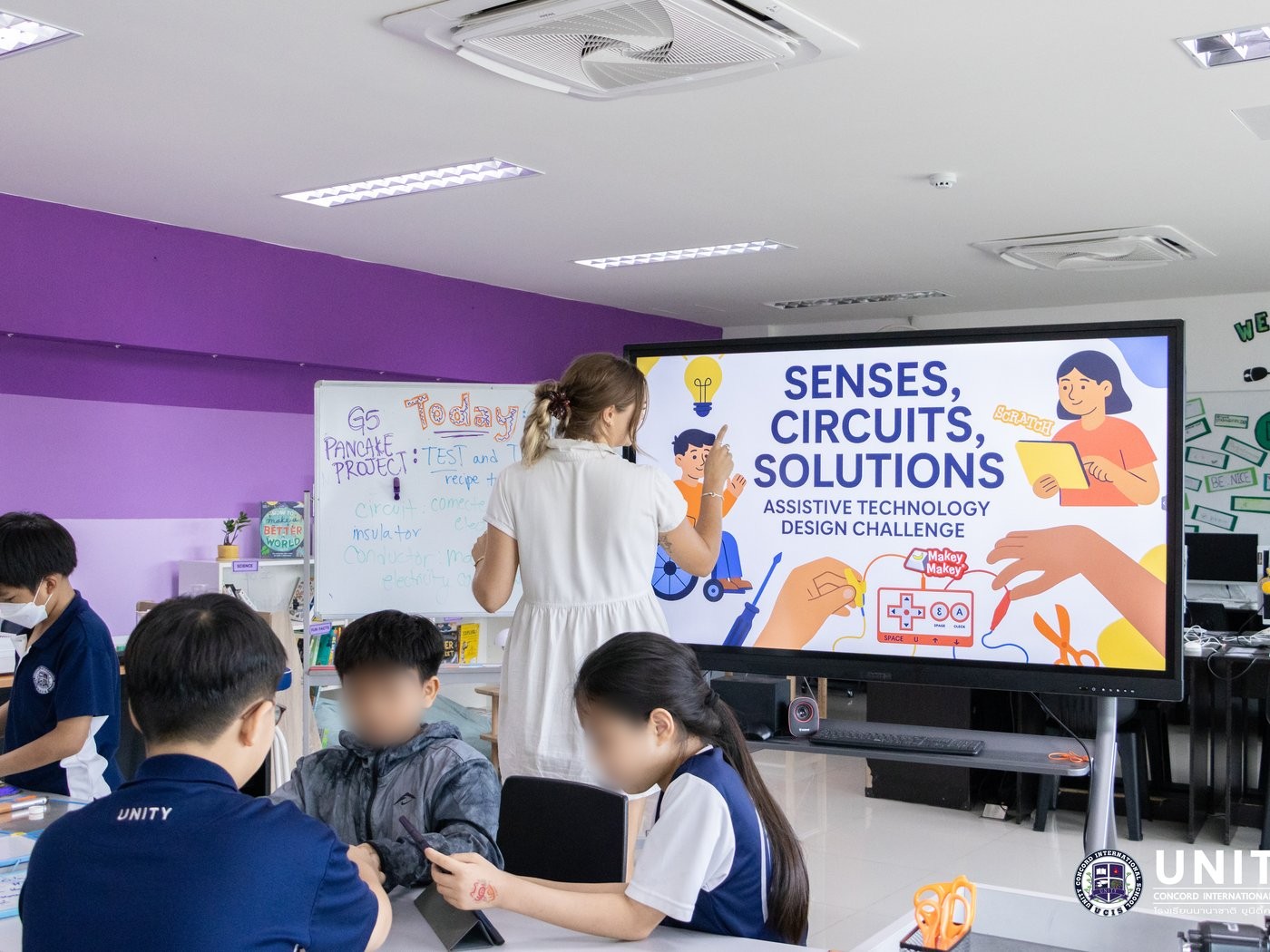
Starting from open vs. closed circuits and conductors vs. insulators, students used Makey Makey and Scratch to design an original assistive-technology device — something that helps a person sense, respond to, or interact with the world in a new way. The unit pulled in the real history of assistive technology, discussions of accessibility and equity across countries, and an economics angle on the cost and availability of assistive devices worldwide.
Lesson plans & rubric — coming soon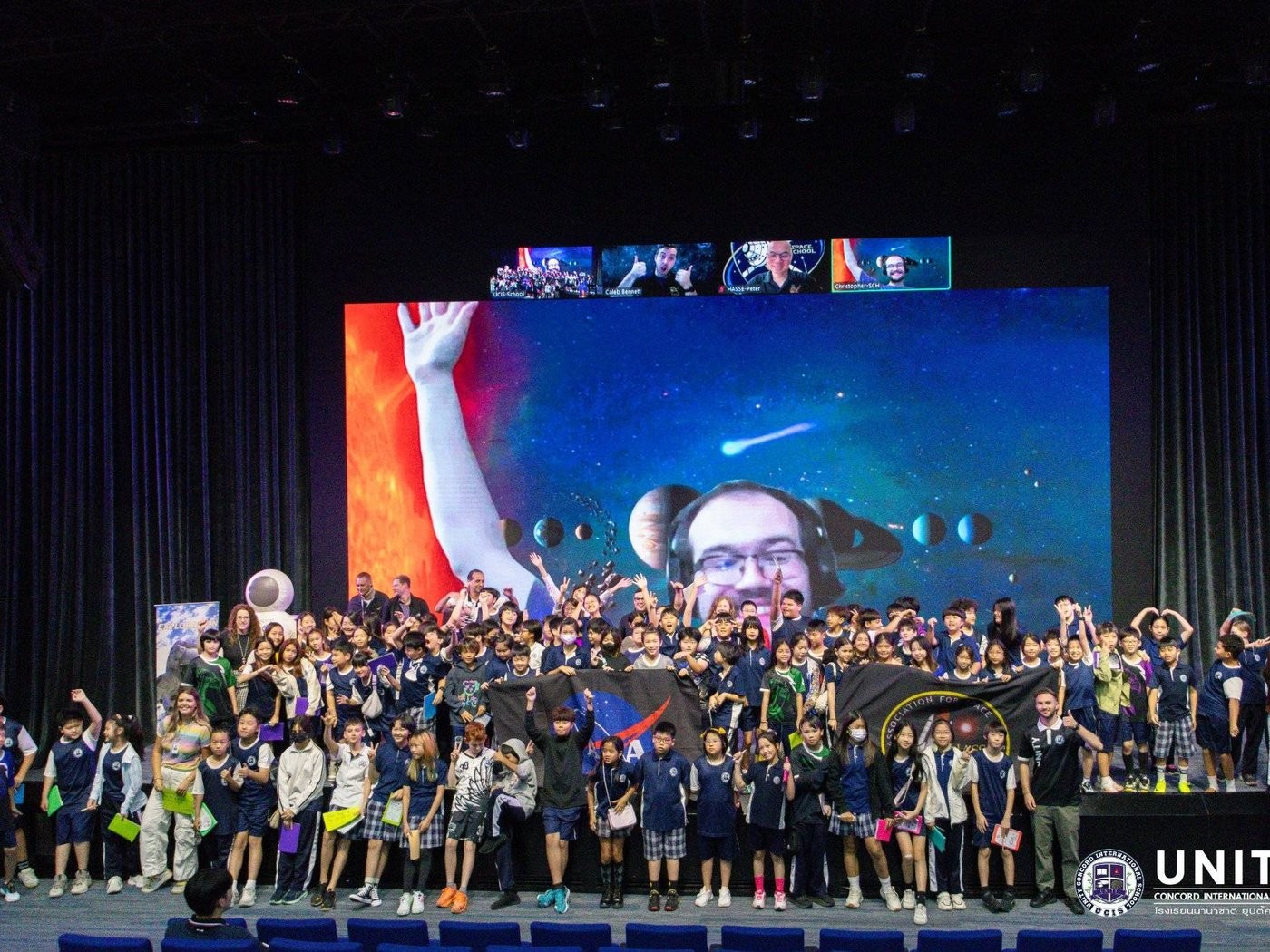
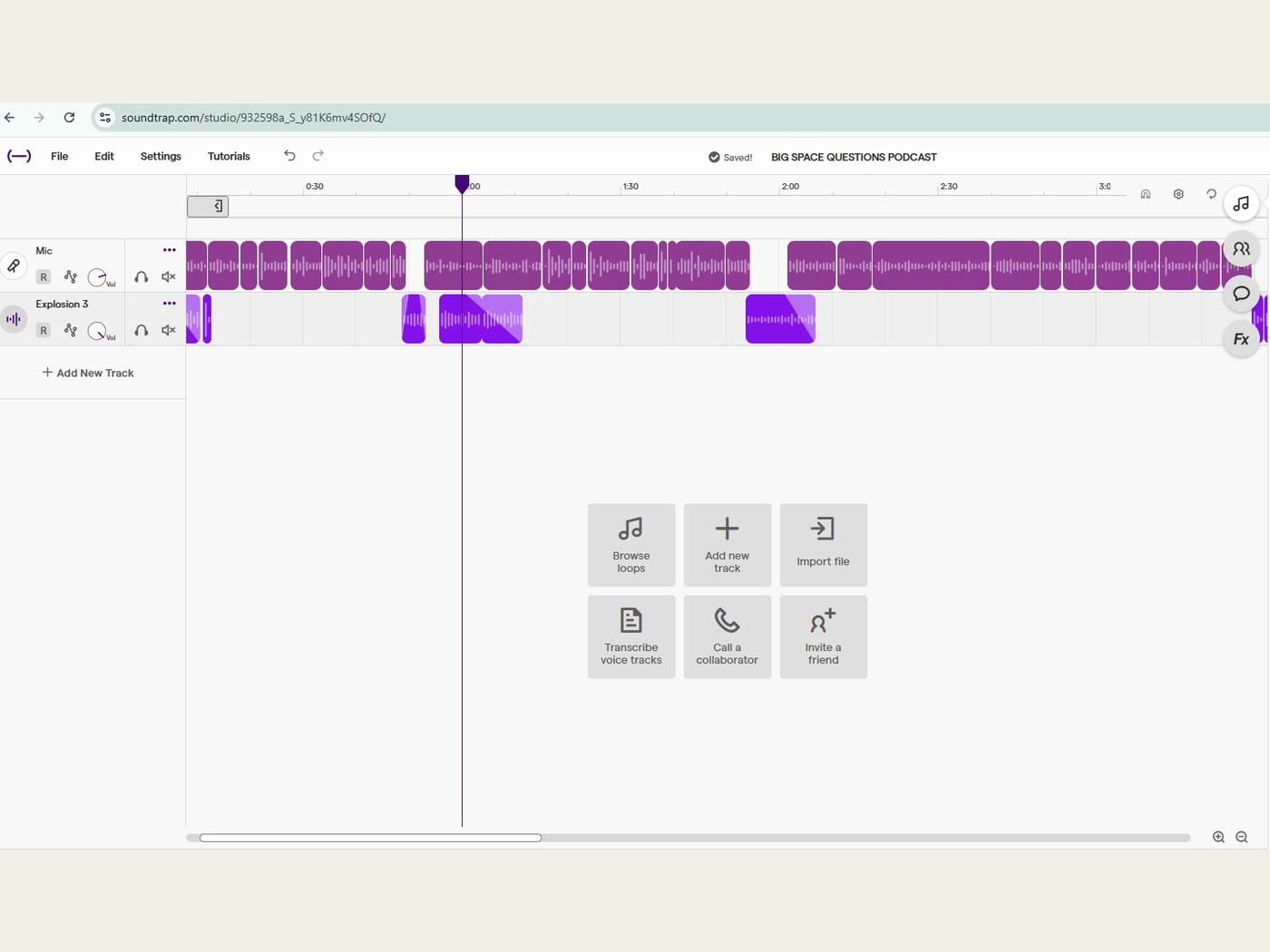
HASSE Space School Podcast: Interviewing a NASA Scientist (feat. Soundtrap & Canva)
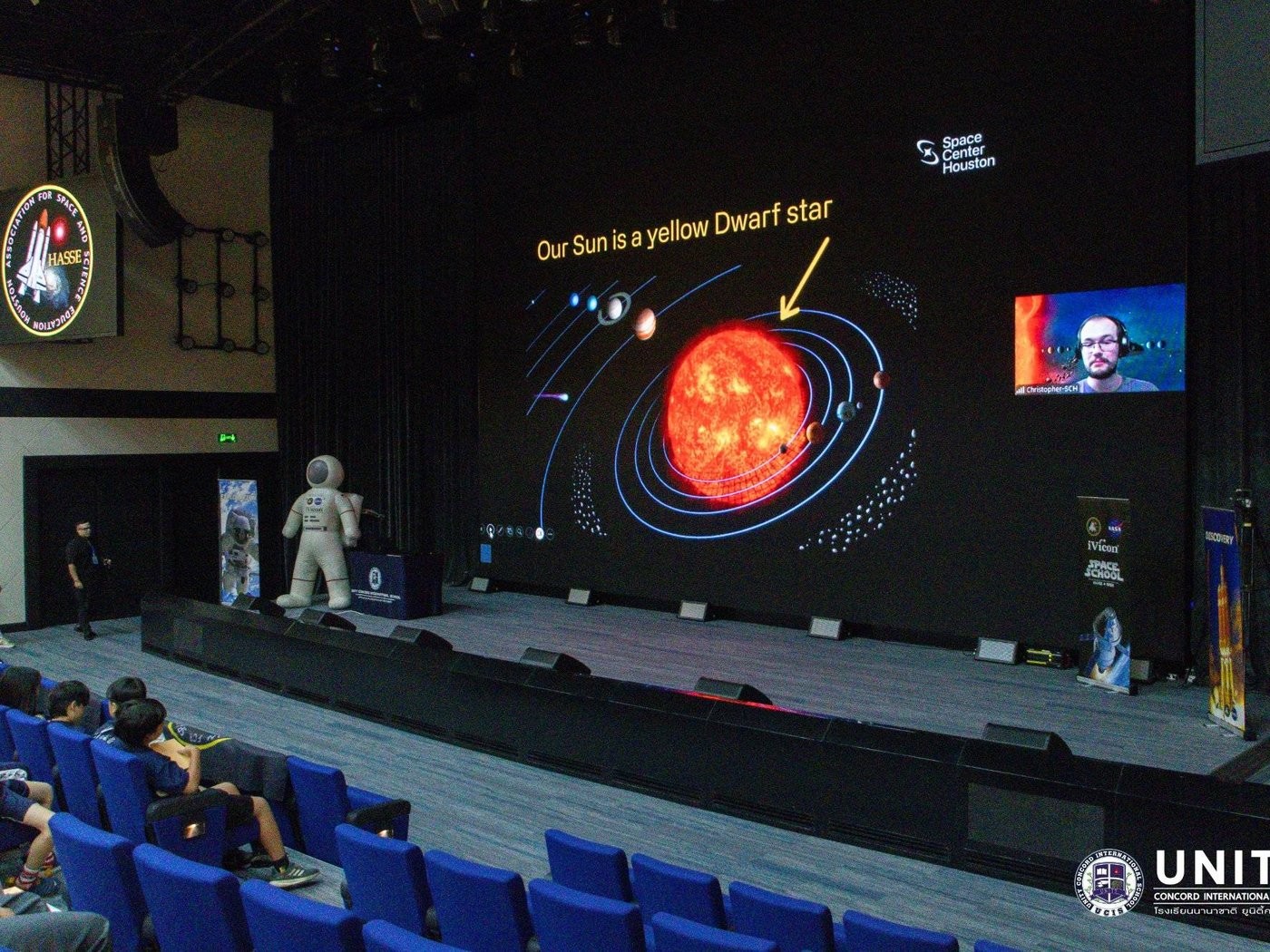
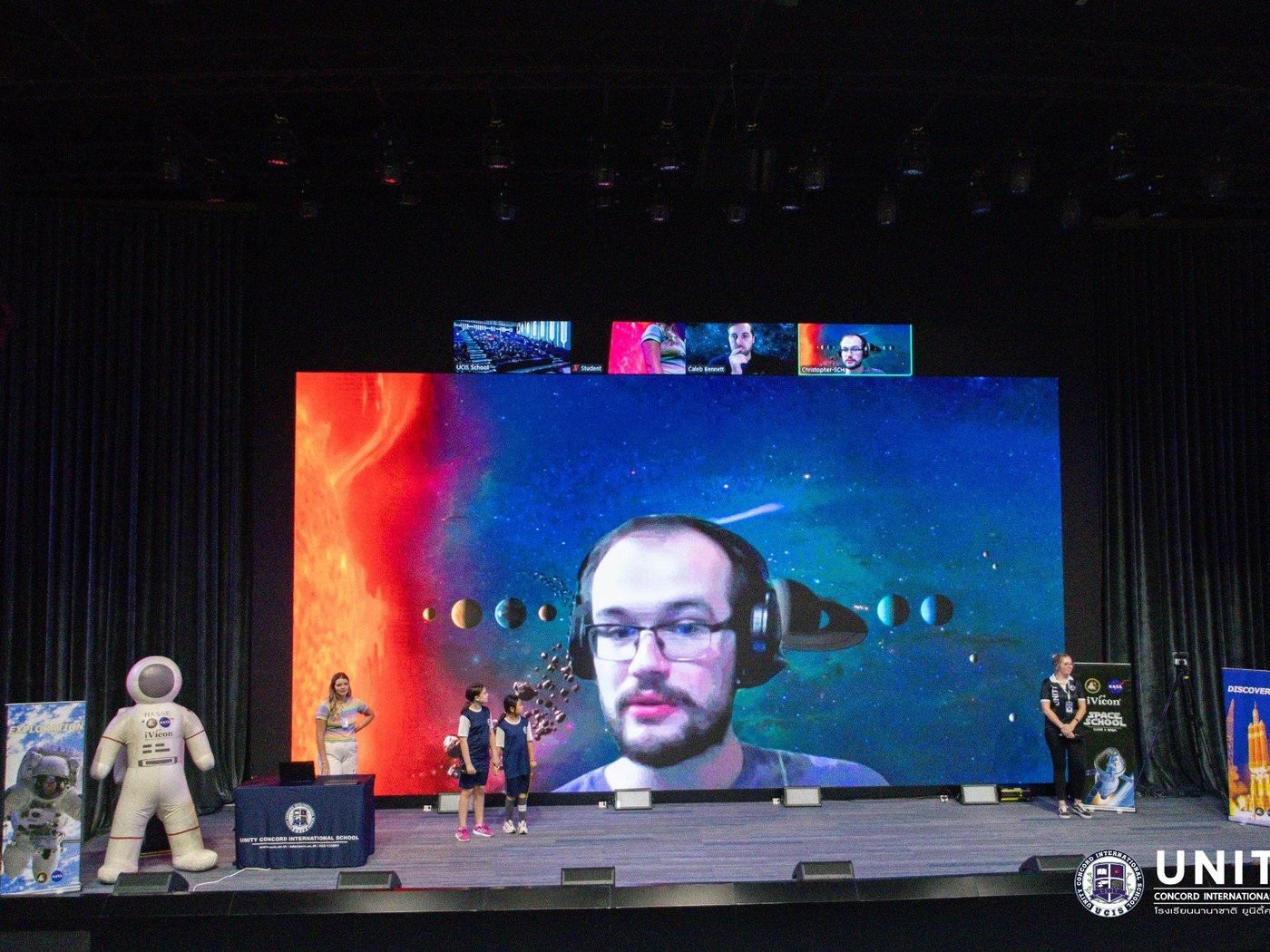
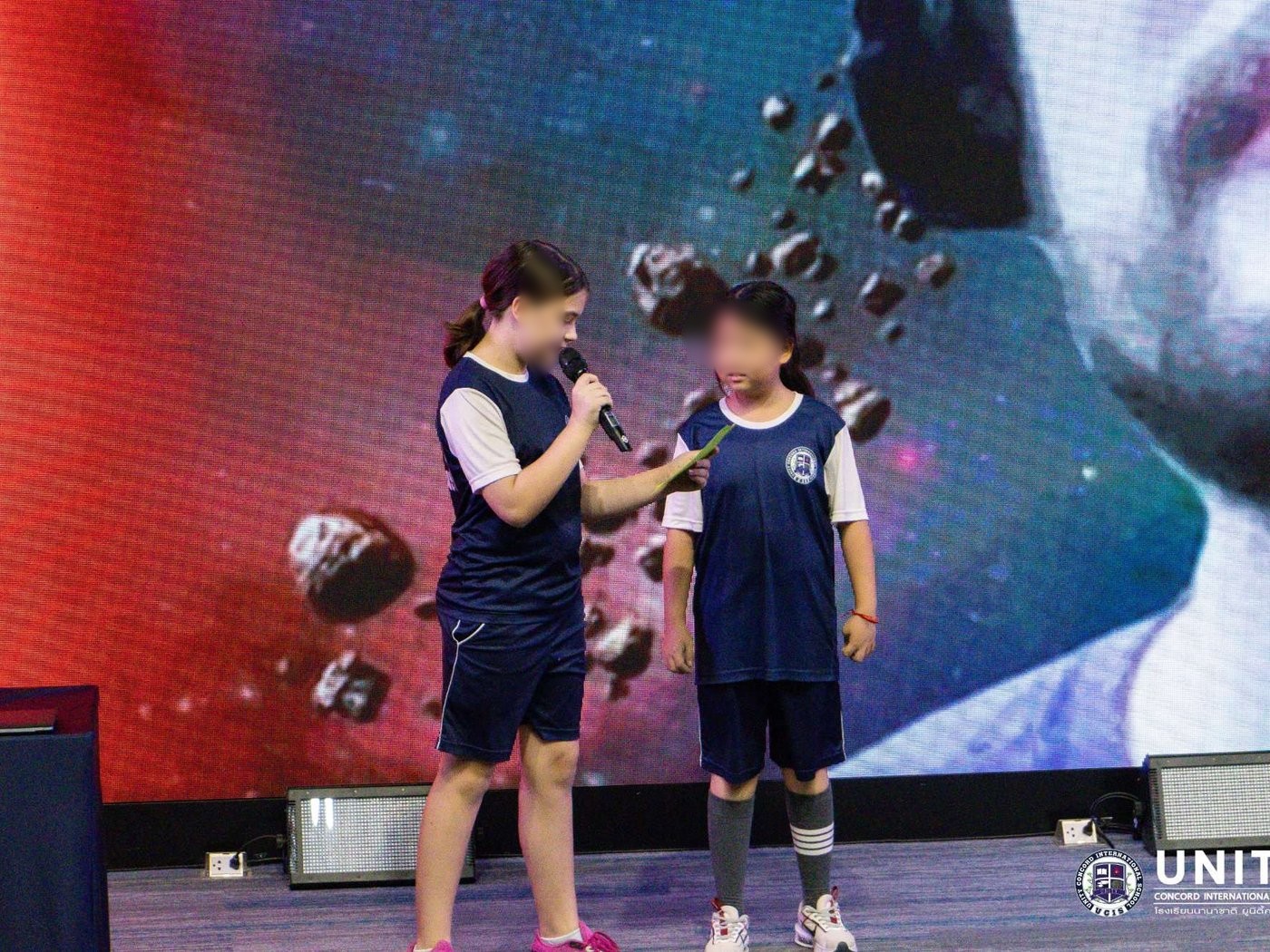
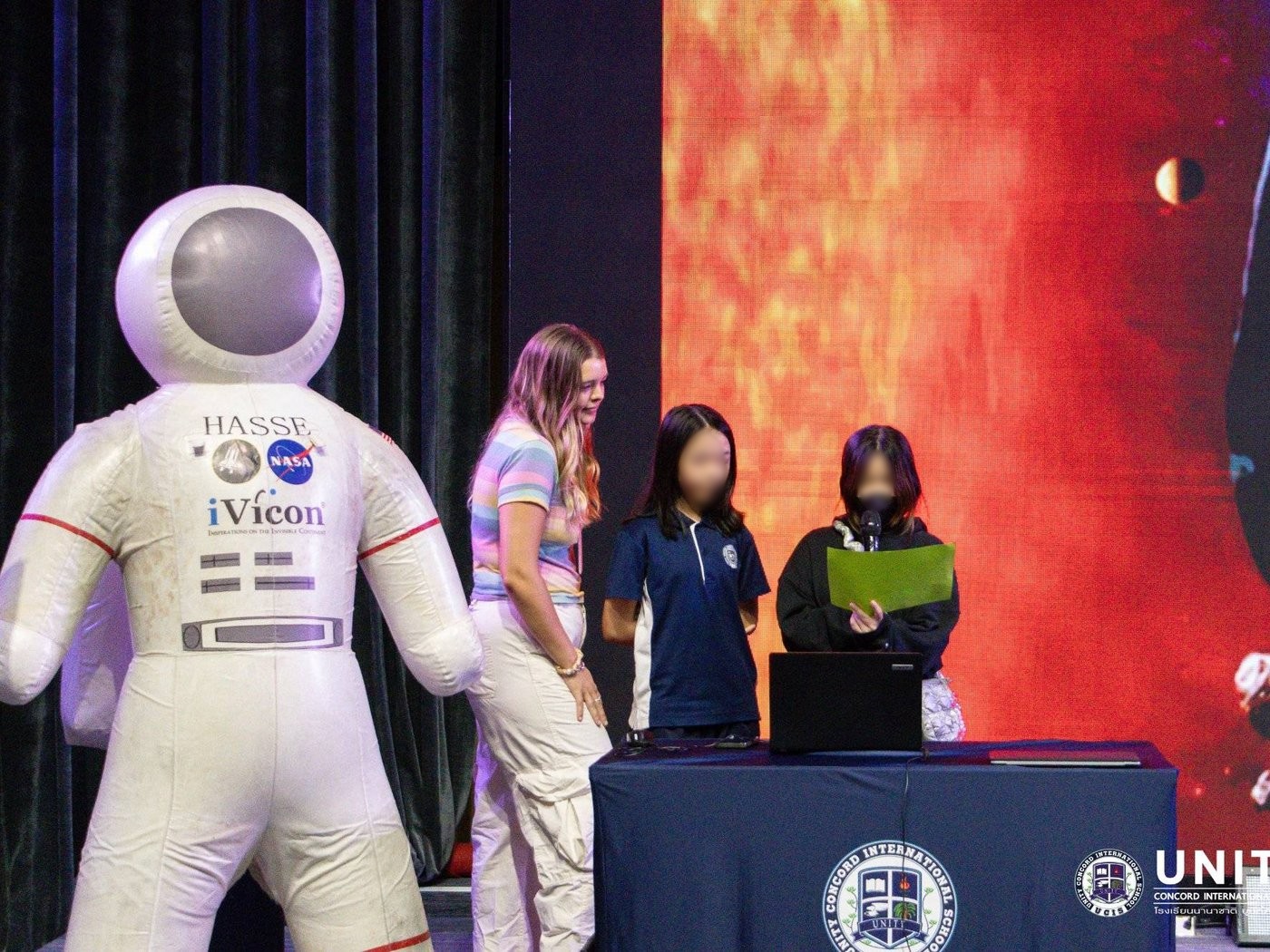
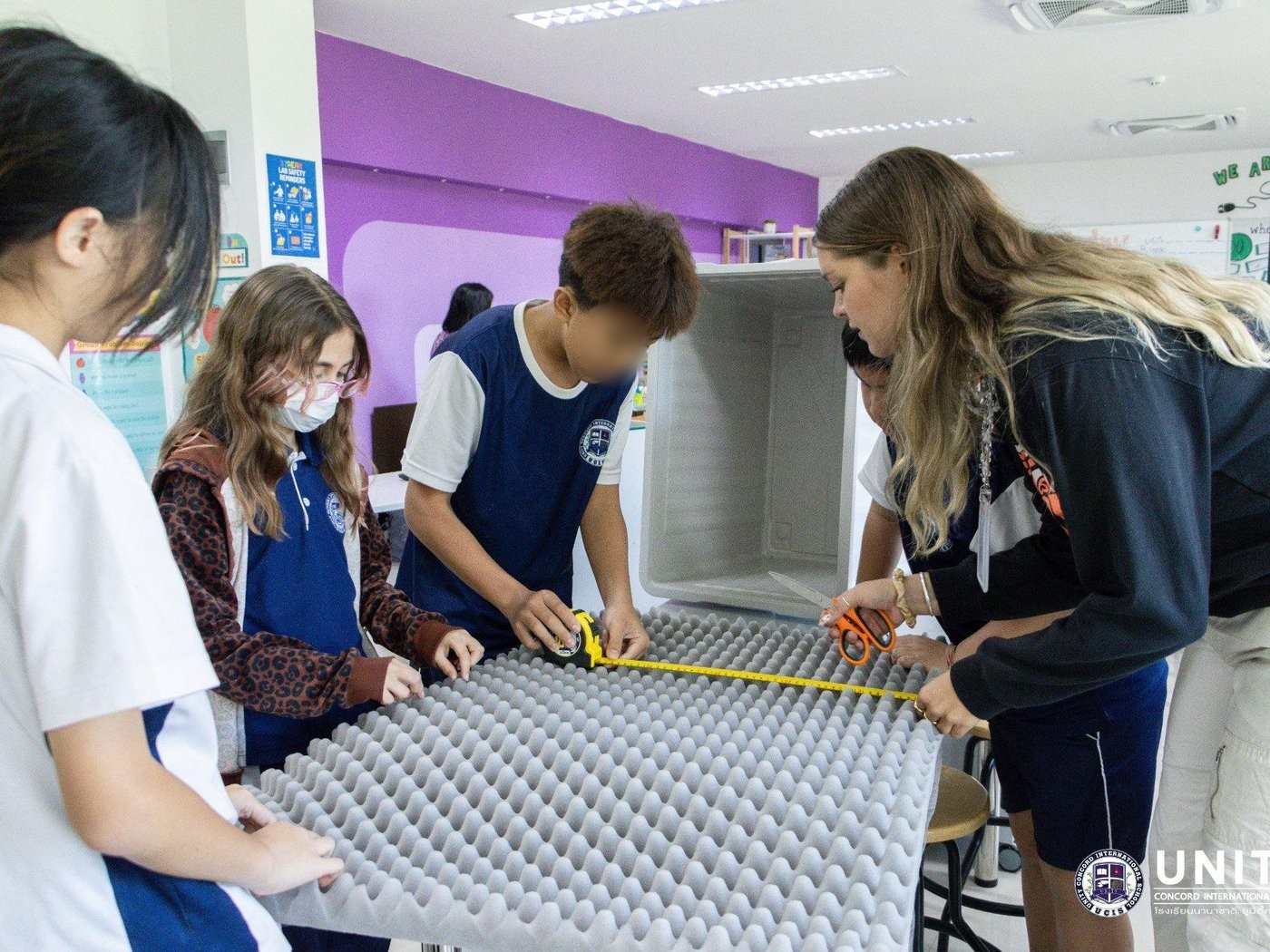
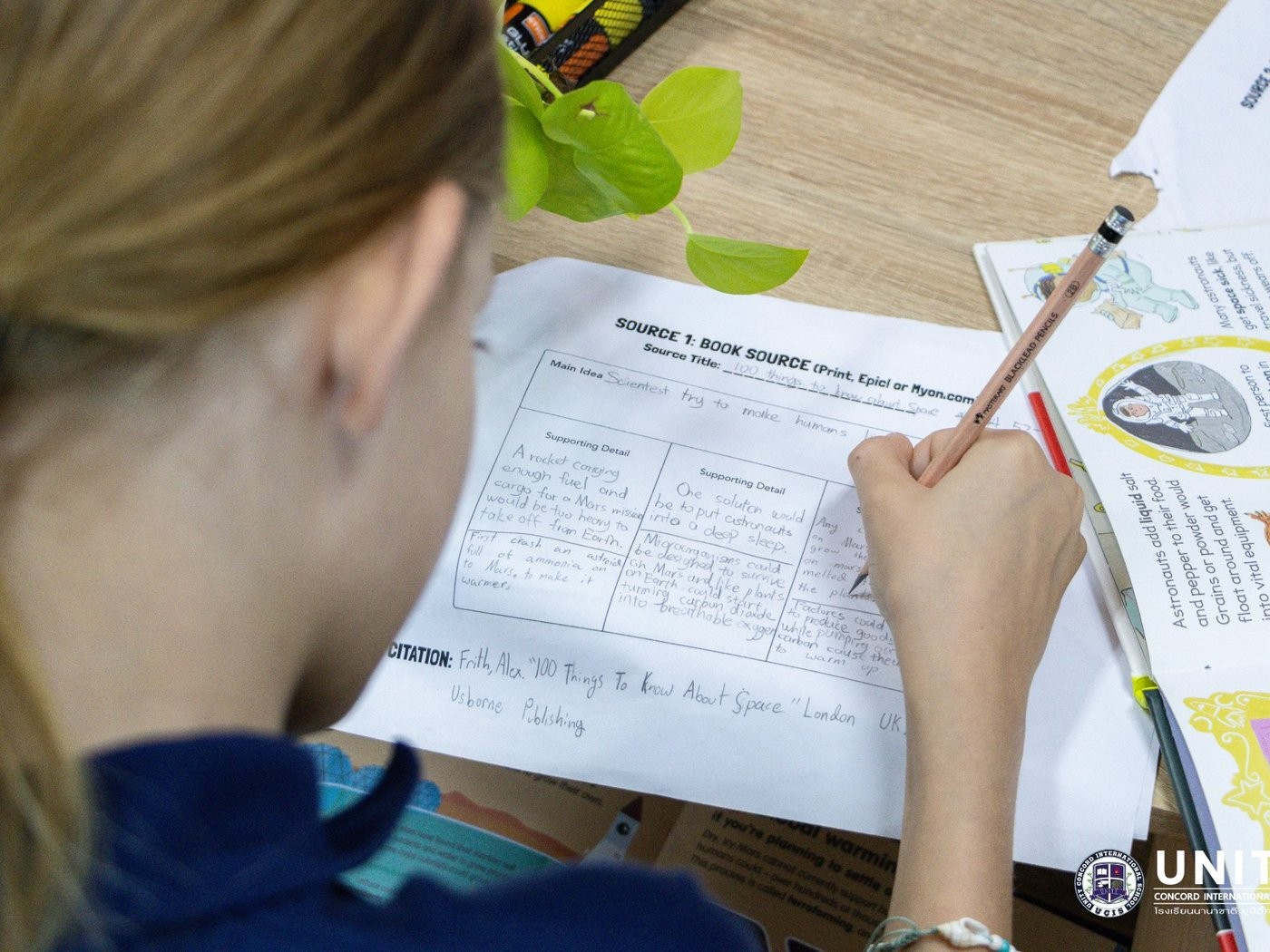
Working with HASSE Space School, students researched and conducted an interview with a NASA scientist, citing their sources properly along the way, then used the conversation as primary research for an original podcast episode. They recorded and edited in Soundtrap Education, designed their own show logo and cover art in Canva, and even built a soundbooth by hand to control audio quality, folding research citation, interview technique, and audio production into a single unit.
Lesson plans & rubric — coming soon